The Long Way Around: Choosing Detours on Purpose
    <p>
        Modern travel is obsessed with efficiency. The fastest route. The cheapest flight.
        The shortest connection. Somewhere along the way, we started treating movement as a
        problem to be solved rather than an experience to be lived.
    </p>

    <p>
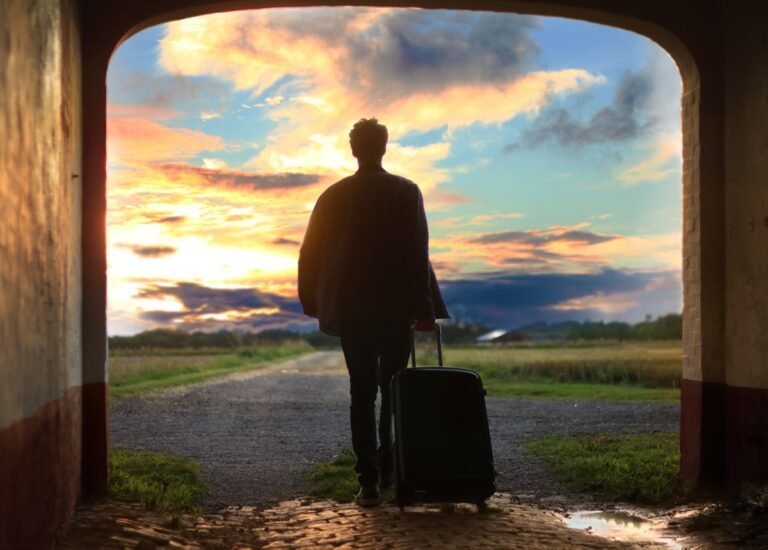
        But there is a quieter, more intentional way to move through the world — choosing the
        long way around. Choosing detours not by accident, but on purpose.
    </p>

    <h2>Detours Are Where the Story Lives</h2>

    <p>
        The direct route delivers you to a destination. The detour gives you a story.
        It’s the dusty road that passes through a village not marked on your map, the slow
        ferry that forces conversations with strangers, the overnight bus that breaks down
        and turns passengers into temporary companions.
    </p>

    <blockquote>
        “The memories that stay are rarely from the places you rushed through.”
    </blockquote>

    <p>
        When you choose a longer route, you accept uncertainty. You don’t know exactly what
        you’ll find — and that’s the point. Detours replace predictability with presence.
    </p>

    <h2>Why We Avoid the Long Way</h2>

    <p>
        We avoid detours because they feel inefficient, risky, even irresponsible. We are
        trained to believe that time must be optimized, that arriving sooner is always better.
        But speed has a cost.
    </p>

    <p>
        Fast travel compresses experience. It turns countries into airports, cultures into
        checklists, and journeys into transitions we barely remember.
    </p>

    <div class="highlight">
        Choosing a detour is a quiet rebellion against rushing through your own life.
    </div>

    <h2>What You Gain by Going Slower</h2>

    <p>
        Taking the long way forces you to notice scale. Distance becomes real again. Borders
        feel earned. Landscapes change gradually instead of abruptly.
    </p>

    <p>
        You learn patience — waiting for shared taxis to fill, for trains that don’t run on
        schedule, for plans to rearrange themselves. And in that waiting, you start seeing
        people not as obstacles, but as part of the journey.
    </p>

    <h2>Detours Beyond Travel</h2>

    <p>
        This mindset doesn’t only apply to travel. Life itself offers countless “shortcuts” —
        quick success, instant gratification, accelerated paths that promise results without
        process.
    </p>

    <p>
        Choosing the long way can mean learning slowly, building skill deliberately, or
        allowing your path to unfold without forcing it into someone else’s timeline.
    </p>

    <blockquote>
        “Sometimes the scenic route isn’t about scenery — it’s about growth.”
    </blockquote>

    <h2>How to Choose Detours Intentionally</h2>

    <p>
        Choosing the long way doesn’t mean being reckless. It means being curious.
        Ask different questions: What happens if I travel by land instead of air? What if I
        stay longer instead of moving on? What if I follow interest instead of itinerary?
    </p>

    <p>
        The goal isn’t to make travel harder — it’s to make it meaningful.
    </p>

    <h2>The Long Way Becomes the Point</h2>

    <p>
        In the end, destinations blur together. Cities fade. Dates are forgotten.
        What remains are moments — the detours you didn’t need to take, but chose anyway.
    </p>

    <p>
        The long way around teaches you that arrival is optional, but experience is not.
    </p>

    <footer>
        <p>© 2026 • The Long Way Around</p>
    </footer>
</div>
Want to make your trip unforgettable? You will be redirected to GetYourGuide for top-rated tours, excursions, and experiences. 🌍
Discover Tours & Activities →Looking for accommodations? You will be redirected to Booking.com to check availability and prices. 🏨
Check Hotels & Prices →