Top 10 Hidden Natural Wonders in Europe You Can Only Reach by Train 🚂🌍
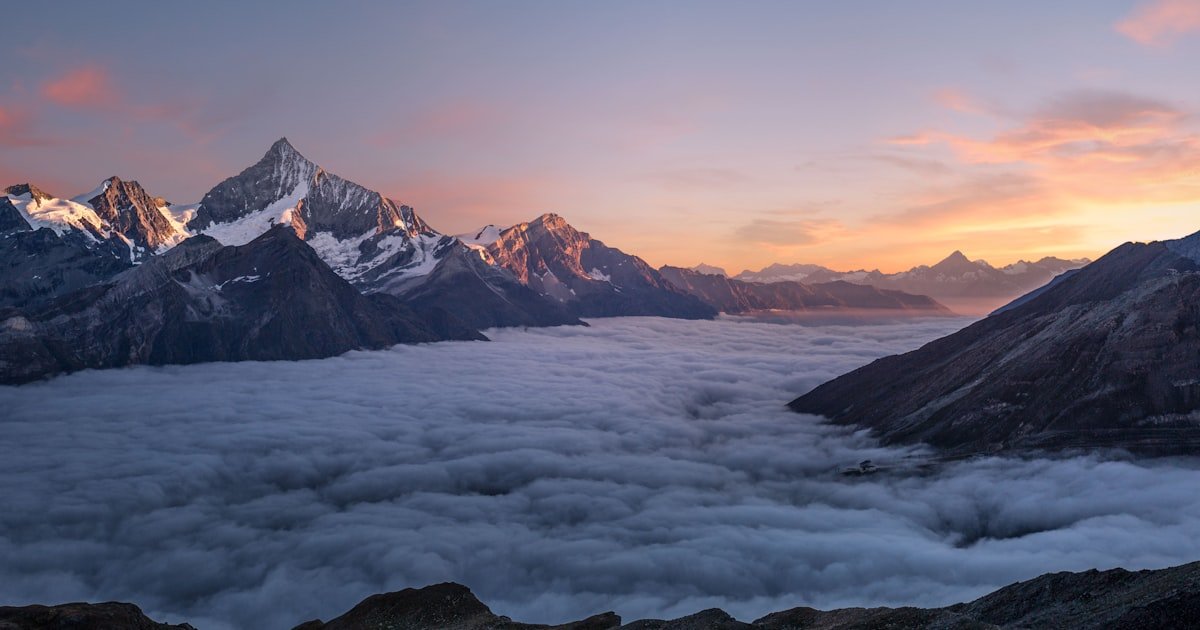
Europe is filled with iconic landmarks, but some of the continent’s most breathtaking natural wonders remain tucked away, accessible only by train. Over years of backpacking across the Alps, Scandinavia, and the Balkans, I’ve discovered secluded valleys, pristine lakes, and hidden mountains that feel untouched by mass tourism. Traveling by train not only reduces your footprint but turns the journey into an unforgettable experience itself.
1. Lauterbrunnen Valley, Switzerland
Hidden beneath towering cliffs, Lauterbrunnen is a lush valley dotted with 72 waterfalls. The train from Interlaken offers panoramic views, descending gradually into this fairy-tale landscape. Hiking trails connect the waterfalls and alpine meadows, ideal for slow travelers who want to explore on foot.
Looking for accommodations? You will be redirected to Booking.com to check availability and prices. 🏨
Check Hotels & Prices →2. Rila Monastery Lakes, Bulgaria
Deep in the Rila Mountains, a small train and bus connection from Sofia leads you to alpine lakes near the Rila Monastery. The turquoise waters, framed by rugged peaks, are a paradise for photographers and solitude seekers.
3. Triglav National Park, Slovenia
The train to Jesenice followed by a short local bus ride takes you to the Julian Alps. Here, emerald rivers, glacial lakes, and remote mountain huts await. The park is perfect for backpackers seeking multi-day hikes in pristine wilderness.
4. Faroe Islands Fjords, Denmark (via ferry-train combo)
Though not directly train-accessible, you can combine trains in Denmark with ferries to reach hidden fjords in the Faroe Islands. Rugged cliffs, cascading waterfalls, and dramatic seascapes create one of Europe’s most remote natural spectacles.
5. Lago di Braies, Italy
Accessible via train to Dobbiaco and a short bus ride, this alpine lake in the Dolomites is famous for its emerald waters and reflection of surrounding peaks. Early mornings or off-season visits are magical, avoiding the crowds.
6. Plitvice Lakes, Croatia
A train ride to Zagreb followed by local transport brings you to cascading lakes and waterfalls that are some of Europe’s most stunning hidden gems. Wooden pathways allow close contact with nature while preserving the delicate ecosystem.
7. Lofoten Islands, Norway
Take the train to Bodø and continue by ferry. The jagged peaks rising from the fjords and the arctic beaches are only fully appreciated when approached slowly. Lofoten’s remote charm is unmatched for adventurous travelers.
8. Saxon Switzerland National Park, Germany
Just a short train from Dresden, this sandstone landscape features dramatic cliffs, deep gorges, and winding rivers. Hiking trails and observation points reveal views often missed by typical tourists.
9. Durmitor National Park, Montenegro
Train to Podgorica followed by local buses opens access to glacial lakes, dense pine forests, and the Tara River Canyon. The park is off the usual tourist track, perfect for hiking, rafting, or simply soaking in remote alpine landscapes.
10. The Scottish Highlands, United Kingdom
From Inverness or Fort William, trains cross rugged mountains, lochs, and moors. Remote spots like Glenfinnan or the Cairngorms are accessible only by rail or hiking, offering solitude and raw beauty unmatched in busier parts of the UK.
Practical Travel Tips
- Book scenic trains in advance, especially in peak seasons.
- Check local buses or ferries to complete the last leg of the journey.
- Pack layers for variable mountain weather.
- Travel off-peak for quieter, more immersive experiences.
- Bring reusable water bottles and snacks to avoid waste in remote areas.
- Consider multi-day passes for regional trains to save money.
- Carry a map or offline GPS for trails and hidden spots.
- Respect local nature rules—stay on paths and avoid disturbing wildlife.
Who Is This Route For?
- Backpackers looking for remote and photogenic destinations.
- Train enthusiasts who enjoy scenic rail journeys.
- Nature lovers seeking off-the-beaten-path landscapes.
- Independent travelers interested in combining hiking and public transport.
- Long-term travelers exploring Europe sustainably.
Frequently Asked Questions
Are these destinations accessible year-round? Many are seasonal, especially alpine lakes and northern fjords. Check local weather and train schedules before planning.
Do I need a car to visit these natural wonders? No. All of these spots are reachable by trains, often with short bus or ferry connections.
Are the hikes difficult? Difficulty varies. Some locations, like Lauterbrunnen or Saxon Switzerland, offer easy trails, while places like Durmitor or the Scottish Highlands have more challenging routes.
Can I travel sustainably while visiting these areas? Yes. Use trains, local transport, and eco-friendly accommodation to minimize your footprint.
Is it expensive to travel by train across Europe? Not necessarily. Booking regional trains in advance, using rail passes, and traveling off-peak can make it affordable.
Conclusion
Europe’s hidden natural wonders reward travelers willing to leave the highways and explore by train. Slow travel not only reduces your environmental impact but allows for deeper connection with the landscapes and cultures you encounter. Plan your route, pack light, and let the rails guide you to some of the continent’s most magical and secluded corners.
Want to make your trip unforgettable? You will be redirected to GetYourGuide for top-rated tours, excursions, and experiences. 🌍
Discover Tours & Activities →