Island Hopping by Ferry: The Ultimate Guide to Coastal Routes in Greece & Southeast Asia 🛥️
The true magic of travel isn’t just the destinations, but the journey between them. For backpackers and wanderers, few experiences capture the spirit of adventure like island hopping by ferry. It’s a slower, more tactile way to travel—salt spray on your face, the groan of engines, and the horizon dotted with islands waiting to be explored. While Greece offers the classic postcard-perfect Aegean dream, Southeast Asia delivers a raw, chaotic, and lushly beautiful counterpart. This guide isn’t about packaged tours; it’s about crafting your own route, with a backpack, a flexible schedule, and a sense of wonder.
Why Ferry Travel Beats Flying Every Time
In an age of budget airlines, why choose the slow boat? It’s simple: connection. Flying over a archipelago reveals nothing. Ferries let you see the landscape unfold, feel the distance, and meet fellow travelers and locals on deck. It’s affordable, often breathtakingly scenic, and forces you into the pace of island life from the moment you step aboard. Your journey becomes part of the story, not just a transfer.
Looking for accommodations? You will be redirected to Booking.com to check availability and prices. 🏨
Check Hotels & Prices →The Aegean Circuit: Greece’s Classic Island Trails
Greece’s ferry network is the lifeblood of its islands, sophisticated and seasonal. The key is understanding the groups: the Cyclades, the Saronic, the Dodecanese, and the Ionian. Don’t try to see them all; pick a chain and delve deep.
The Cycladic Loop (Athens – Mykonos – Paros – Naxos – Santorini)
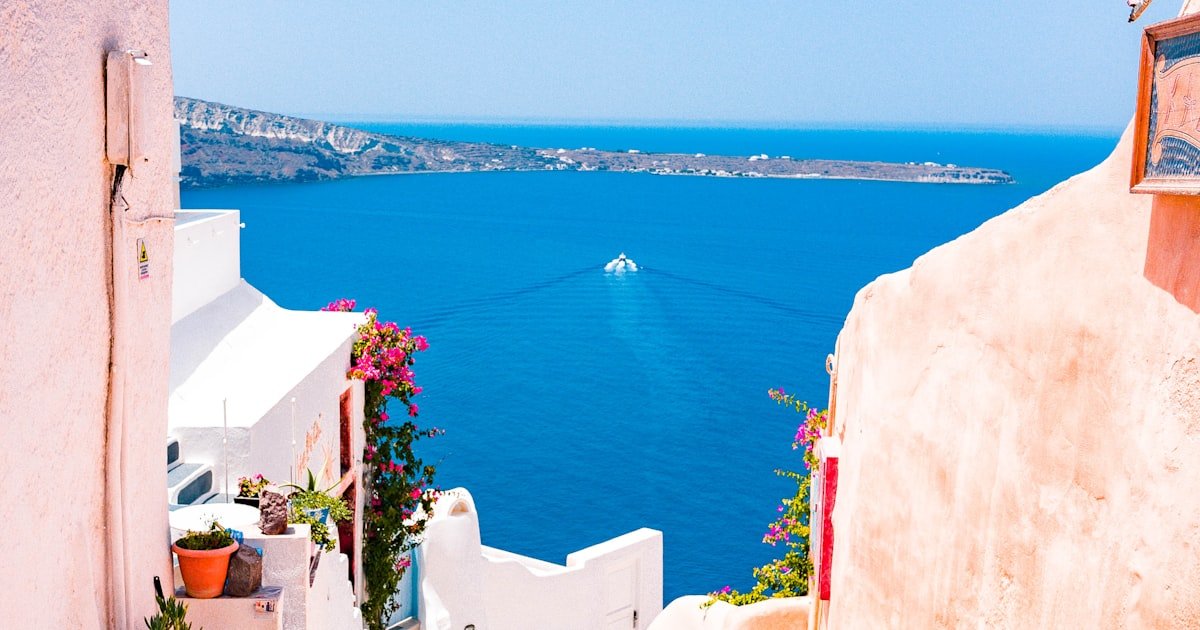
This is the iconic route. Start in Piraeus (Athens’ port) on a large car ferry. Mykonos is the glamorous, windy hub. From there, shorter hops on high-speed catamarans or local ferries connect Paros (for authentic villages and windsurfing), Naxos (for mountain villages and stunning beaches), and finally, Santorini. You can loop back to Athens via ferry from Santorini, or catch a high-speed boat back to Mykonos.
Real Talk: July and August mean crowded decks, higher prices, and fully booked ferries. Book key legs a few days ahead. Shoulder seasons (May-June, September-October) offer smoother sailing in every sense.
The Offbeat Dodecanese Route (Rhodes – Kos – Patmos – Leros)
Starting from Rhodes, with its medieval old town, this route heads north along the Turkish coast. It’s less tourist-thronged than the Cyclades, steeped in history, and offers a fascinating blend of Greek and Turkish influences. Ferries are reliable, and the islands feel more lived-in.
The Southeast Asian Archipelago Adventure
Swap whitewashed walls for emerald jungles and limestone karsts. Ferry travel here is less about precision and more about embracing the flow—and occasional chaos.
Thai Island Hop (Surat Thani – Koh Samui – Koh Phangan – Koh Tao)
The classic Gulf of Thailand trail. From the mainland port of Surat Thani, you can access the trio. Large car ferries and faster catamarans run frequently. Koh Samui is the developed gateway, Koh Phangan is for the famous Full Moon Party (and quieter northern beaches), and Koh Tao is the diver’s paradise. It’s well-trodden but for good reason.
The Andaman Sea Explorer (Phuket – Koh Phi Phi – Koh Lanta – Railay)
Starting from Phuket or Krabi, this route serves up some of the world’s most dramatic seascapes. Ferries to Koh Phi Phi are frequent; from Phi Phi to Koh Lanta, services are seasonal. Railay (accessed by long-tail boat from Ao Nang) isn’t an island but a peninsula only reachable by sea, offering world-class rock climbing.
Indonesian Odyssey (Bali – Lombok – The Gili Islands – Nusa Penida)
Bali is the hub. Public ferries from Padang Bai to Lombok (Lembar) are slow but cheap. The fast boats to the Gili Islands (Gili Trawangan, Gili Meno, Gili Air) are tourist-focused—check safety records and weather, as seas can be rough. Don’t miss a day trip or overnight to Nusa Penida from Sanur for rugged, epic cliffs. This is backpacker central, with a vibrant, sometimes hectic energy.
Practical Travel Tips for Smooth Sailing
- Book Flexibly, But Smartly: In Greece, book online via sites like Ferryhopper for key routes in peak season. In Southeast Asia, you can often book a day ahead at local travel shops, but for popular fast boats (like Bali to Gilis), book 2-3 days early.
- Pack for the Deck: Assume you’ll be on deck. Sunscreen, a sarong (for cover or seat), water, snacks, and a warm layer are non-negotiable. Your backpack is your lifeline.
- Understand the Boat Types: Large car ferries are stable and cheap. High-speed catamarans are faster and pricier. Local “slow boats” are an adventure. In Thailand/Indonesia, “fast boats” can be crowded and bumpy—travel light.
- Buffer Your Time: Delays happen, especially in Southeast Asia due to weather. Never plan a tight connection on an international flight on the same day as a ferry.
- Seasickness Prep: Have remedies handy. The Aegean can get windy (the *Meltemi*), and the Andaman Sea/Indonesian passages can be choppy.
- Cash is King: Have local currency for small port taxes, snacks on board, and tuk-tuks at your arrival port.
Who Is This Island Hopping Route For?
- The Flexible Backpacker: You thrive on spontaneity, don’t mind waiting for the next boat, and see the journey as part of the adventure.
- The Scenic Route Seeker: You prioritize views over convenience and would choose a 4-hour ferry over a 1-hour flight any day.
- The Budget-Conscious Traveler: Ferry travel, especially on local vessels, is often the most cost-effective way to move between islands.
- The Digital Nomad with Time: You can work from anywhere and plan to base yourself on islands for weeks, using ferries for exploratory weekends.
- The Anti-Package Tourist: You want to design your own itinerary, escape the resort bubbles, and experience local transport.
Frequently Asked Questions
Is island hopping by ferry safe?
Generally, yes. In Greece, standards are high. In Southeast Asia, choose reputable, larger operators for open water crossings. Always check weather conditions and avoid traveling in rough seas if you have a choice. Your intuition is a valuable tool.
How far in advance should I plan my route?
For Greece in summer, plan a loose route and book ferries a few days to a week ahead. In Southeast Asia, planning a day or two ahead is usually fine, except during major holidays or for very popular routes.
Can I do this with a big suitcase?
Technically yes, but it’s a headache. A backpack you can carry is ideal. You’ll be hauling it on and off docks, up narrow gangways, and stowing it on crowded decks. Travel light.
What’s the biggest mistake first-timers make?
Overpacking their itinerary. Don’t try to hop to a new island every day. The magic happens when you stay long enough to catch the rhythm of the place. Build in rest days and buffer time for travel delays.
Chart Your Own Course
Whether you choose the sun-drenched, mythic lanes of the Aegean or the lush, vibrant waterways of Southeast Asia, island hopping by ferry is about reclaiming the journey. It’s a reminder that the spaces between points on a map are filled with life, wind, and sea. So check the schedule, pack your bag, and walk down the pier. Your boat is coming. The real adventure starts the moment you cast off.
Want to make your trip unforgettable? You will be redirected to GetYourGuide for top-rated tours, excursions, and experiences. 🌍
Discover Tours & Activities →