The Ultimate Patagonia Road Trip Guide
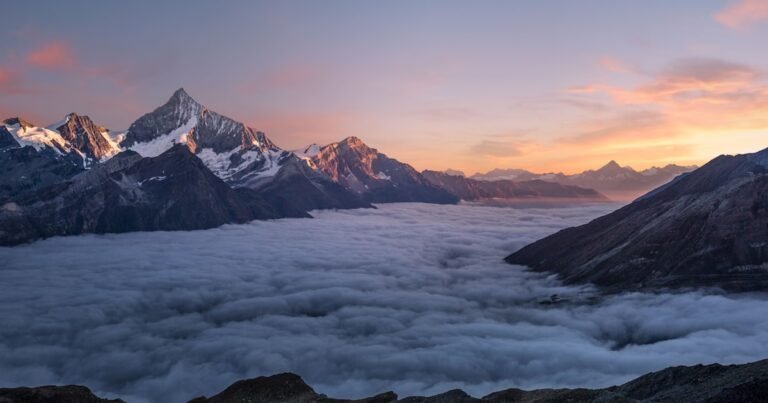
Patagonia is the kind of destination that seems designed for a road trip. Stretching across southern Argentina and Chile, this enormous region combines snow-capped mountains, turquoise lakes, glaciers, windswept plains, forests, remote villages, and some of South America’s most spectacular national parks.
Looking for accommodations? You will be redirected to Booking.com to check availability and prices. 🏨
Check Hotels & Prices →A road trip gives you something that organized tours cannot always provide: freedom. You can stop beside a dramatic viewpoint, spend extra time in a mountain town, camp beside a lake, or simply pull over when the landscape becomes too beautiful to ignore.
But Patagonia is also huge. Distances are deceptive, weather can change quickly, fuel stations can be far apart, and some roads include long stretches of gravel. Good planning makes a major difference.
This guide covers everything you need to know to plan an unforgettable Patagonia road trip.
Why Take a Road Trip Through Patagonia?
Patagonia rewards travelers who are willing to slow down. Instead of moving directly between airports and tourist attractions, driving allows you to experience the landscapes between destinations.
Argentina’s famous Route 40 runs alongside the Andes and passes through some of Patagonia’s most iconic scenery. The Patagonian section includes access to El Chaltén, El Calafate, Cueva de las Manos, Los Glaciares National Park, and numerous mountain and lake destinations. Argentina’s tourism authorities describe Route 40 as stretching for more than 5,000 kilometers overall, with approximately 2,700 kilometers crossing Patagonia.
On the Chilean side, the Carretera Austral provides another legendary road-trip experience through remote landscapes, forests, fjords, rivers, glaciers, and mountain valleys.
When Is the Best Time for a Patagonia Road Trip?
The most convenient period for a major Patagonia road trip is generally during the Southern Hemisphere’s warmer months, from roughly October through April. Argentina’s official Patagonia tourism information particularly recommends this period for longer road circuits because snow and ice can make driving more difficult outside it.
For most travelers, November through March offers a useful balance of longer daylight hours, hiking opportunities, and more accessible roads.
October to November
Spring brings longer days, emerging greenery, and fewer travelers than the peak summer period. However, conditions can still be unpredictable, particularly in mountainous areas.
December to February
Summer is the busiest period and generally offers the most favorable conditions for hiking and road trips. Popular accommodation and rental vehicles can become expensive or sell out, so advance planning is worthwhile.
March to April
Autumn can be spectacular, particularly when forests begin changing color. Crowds often decrease, although daylight hours become shorter and weather conditions need to be monitored.
May to September
Winter transforms Patagonia into a snowy landscape, but it is not the easiest season for a long self-drive trip. Snow, ice, shorter daylight hours, and seasonal road conditions can complicate travel.
How Many Days Do You Need?
The answer depends on how much of Patagonia you want to cover.
- 7 days: Focus on one compact region.
- 10 days: A good option for exploring a section of Argentine or Chilean Patagonia.
- 14 days: Enough for a more substantial itinerary with several major destinations.
- 21 days: A strong option for combining major Argentine destinations with sections of Chilean Patagonia.
- 3–4 weeks: Ideal for a slower, more comprehensive road trip.
Argentina’s official tourism authority recommends at least 20 days for its long Patagonian circuit. The key lesson is simple: don’t try to cover everything in a few days.
The Classic Patagonia Road Trip Route
One of the most memorable itineraries combines Argentina’s Route 40 with destinations near the Chilean border.
- Bariloche
- Esquel
- Perito Moreno
- Cueva de las Manos
- El Chaltén
- El Calafate
- Torres del Paine
- Puerto Natales
- Punta Arenas
- Ushuaia
You do not have to complete this entire route. A shorter trip can concentrate on El Chaltén, El Calafate, Torres del Paine, and Puerto Natales.
Stop 1: Bariloche
San Carlos de Bariloche is an excellent northern starting point. Located beside Lake Nahuel Huapi, the city combines mountain scenery with forests, lakes, hiking trails, viewpoints, and a well-developed tourism infrastructure.
Spend several days exploring the surrounding lakes and mountains before beginning the longer drive south.
Things to do
- Drive the Circuito Chico.
- Visit Cerro Campanario.
- Explore Lake Nahuel Huapi.
- Hike in the surrounding mountains.
- Enjoy the town’s famous chocolate shops.
Stop 2: Esquel and Los Alerces
Esquel provides access to some of Patagonia’s quieter landscapes. Nearby Los Alerces National Park is known for ancient forests, clear lakes, rivers, and mountain scenery.
This is a good place to slow down before continuing south along Route 40.
Stop 3: Cueva de las Manos
For travelers interested in history as well as landscapes, Cueva de las Manos is a fascinating stop. The site contains ancient rock art associated with Indigenous peoples of the region and is recognized as a UNESCO World Heritage Site.
The remote location makes the journey part of the experience. Plan fuel and accommodation carefully before heading into this section of Patagonia.
Stop 4: El Chaltén
El Chaltén is one of the most important stops on a Patagonia hiking road trip. The small mountain town sits beneath some of the region’s most recognizable peaks, including Fitz Roy.
Top experiences
- Hike to Laguna de los Tres.
- Hike to Laguna Torre.
- Explore shorter trails around town.
- Photograph Mount Fitz Roy.
- Spend an extra day as a weather buffer.
Do not underestimate the weather. A beautiful morning can quickly become cloudy, windy, or rainy. Keeping an extra day here can significantly improve your chances of completing major hikes.
Stop 5: El Calafate
El Calafate is the gateway to Los Glaciares National Park and the famous Perito Moreno Glacier.
After the remote driving experience around Route 40 and El Chaltén, El Calafate feels comparatively developed, making it a convenient place to rest, refuel, organize excursions, and enjoy restaurants.
Don’t miss
- Perito Moreno Glacier.
- Glacier viewpoints and walkways.
- Boat excursions.
- Glacier trekking where available.
- Laguna Nimez nature reserve.
Stop 6: Torres del Paine
Crossing into Chile adds another dimension to a Patagonia road trip. Torres del Paine National Park is famous for its granite towers, turquoise lakes, glaciers, forests, and dramatic mountain scenery.
Puerto Natales is commonly used as a base for visiting the park.
Popular experiences
- Base Torres hike.
- Mirador Condor.
- Lake Pehoe viewpoints.
- Grey Glacier excursions.
- Scenic drives through the park.
If you’re crossing an international border with a rental vehicle, check the rental company’s rules before booking. Not every rental agreement allows vehicles to cross between Argentina and Chile.
Stop 7: Punta Arenas
Punta Arenas sits on the Strait of Magellan and can serve as either a destination or a transport hub for southern Patagonia.
It is worth allowing time to explore the waterfront, historic center, museums, and nearby wildlife destinations before continuing south.
Stop 8: Ushuaia
For travelers wanting to push farther south, Ushuaia is the dramatic finale. Located on Tierra del Fuego, the city is surrounded by mountains, forests, waterways, and protected wilderness.
Consider visiting Tierra del Fuego National Park and taking time to explore the Beagle Channel.
Alternative Route: The Carretera Austral
For travelers looking for a more remote driving experience, Chile’s Carretera Austral is another spectacular option.
Also known as Route 7, it runs through Chilean Patagonia and connects remote communities with landscapes dominated by mountains, rivers, forests, glaciers, and fjords. Long sections remain gravel, making driving slower than the distance on a map might suggest.
Popular stops include:
- Puerto Montt
- Hornopirén
- Chaitén
- Puyuhuapi
- Queulat
- Coyhaique
- Cerro Castillo
- Puerto Río Tranquilo
- Marble Caves
- Villa O’Higgins
The Carretera Austral involves gravel roads and ferry connections, so it requires a different style of planning from a conventional highway trip.
What Kind of Car Do You Need?
You don’t necessarily need a huge 4×4 for every Patagonia itinerary. However, the vehicle should be appropriate for the roads you intend to use.
For paved routes
A normal reliable rental car may be sufficient for itineraries concentrated around major paved roads.
For gravel roads
A vehicle with good ground clearance can provide greater confidence on rougher sections. For more remote routes, check the rental company’s restrictions and insurance conditions carefully.
Before collecting the car
- Check the spare tire.
- Confirm the jack and basic tools are included.
- Understand the insurance coverage.
- Ask whether border crossings are permitted.
- Check the fuel type.
- Confirm what happens in case of a breakdown.
Driving in Patagonia: What You Should Know
Patagonia is not a place where you should plan every driving day based purely on kilometers.
Wind, gravel, road construction, weather, border procedures, ferries, and wildlife can all affect journey times.
Watch the wind
Strong winds are one of the defining characteristics of Patagonia. Keep both hands on the steering wheel when conditions become difficult and reduce speed when necessary.
Respect gravel roads
Reduce speed on loose gravel and avoid sudden steering or braking. Flying stones can also damage vehicles, so maintain a sensible distance from other cars.
Plan fuel stops
Do not assume the next fuel station will always be open or fully supplied. Argentina’s tourism authorities specifically recommend checking fuel availability because temporary shortages can occur, particularly on long routes.
Don’t drive too fast
Patagonia’s roads can look empty, but that does not mean they are risk-free. Guanacos and other animals may appear unexpectedly near the road.
How Much Does a Patagonia Road Trip Cost?
The total cost depends heavily on the season, vehicle type, accommodation, number of travelers, and activities.
Main expenses
- Rental car.
- Fuel.
- Accommodation.
- National park fees.
- Food.
- Border and transportation costs.
- Outdoor activities.
- Travel insurance.
Traveling with two or more people can reduce the per-person cost because accommodation, vehicle rental, and fuel can be shared.
Where Should You Stay?
Patagonia offers everything from hostels and simple guesthouses to boutique hotels, lodges, campsites, and remote estancias.
Budget travelers
Hostels, campsites, shared rooms, and self-catering accommodation can help keep costs under control.
Mid-range travelers
Small hotels and guesthouses provide a comfortable balance between price and convenience.
Luxury travelers
Patagonia has excellent mountain lodges, estancias, and wilderness properties where the accommodation itself becomes part of the experience.
What to Pack for a Patagonia Road Trip
- Waterproof jacket.
- Warm layers.
- Comfortable hiking boots.
- Gloves and hat.
- Sunglasses.
- Sunscreen.
- Reusable water bottle.
- Portable power bank.
- Offline maps.
- Basic first-aid supplies.
- Headlamp.
- Extra food and snacks for long drives.
- Car charger.
- Physical travel documents.
How to Stay Connected
Mobile coverage can become unreliable once you leave major towns. Download maps before leaving populated areas and don’t depend entirely on your phone’s live navigation.
A physical map or offline navigation system can be extremely useful when driving remote stretches.
Patagonia Road Trip Safety Tips
- Check weather and road conditions before long drives.
- Tell someone your planned route when traveling into remote areas.
- Keep the fuel tank reasonably full.
- Carry water and emergency food.
- Avoid unnecessary night driving.
- Respect wildlife and never approach wild animals.
- Keep important documents accessible.
- Allow extra time for unexpected delays.
A Sample 14-Day Patagonia Road Trip
- Day 1: Arrive in Bariloche.
- Day 2: Explore Bariloche and Lake Nahuel Huapi.
- Day 3: Drive toward Esquel.
- Day 4: Explore Los Alerces National Park.
- Day 5: Continue south along Route 40.
- Day 6: Visit the Cueva de las Manos area.
- Day 7: Drive toward El Chaltén.
- Day 8: Hike around El Chaltén.
- Day 9: Second hiking day or weather buffer.
- Day 10: Drive to El Calafate.
- Day 11: Visit Perito Moreno Glacier.
- Day 12: Cross toward Puerto Natales.
- Day 13: Explore Torres del Paine.
- Day 14: Depart from Puerto Natales or Punta Arenas.
This itinerary is intentionally flexible. If you prefer hiking, add more days to El Chaltén and Torres del Paine. If you prefer scenic driving, allow more time for Route 40 and the remote areas between major towns.
Budget-Planning Checklist
- ☐ Choose Argentina, Chile, or a combination of both.
- ☐ Decide how many days you have.
- ☐ Choose your main route.
- ☐ Reserve your rental car.
- ☐ Confirm whether border crossings are allowed.
- ☐ Estimate fuel costs.
- ☐ Book accommodation in popular destinations.
- ☐ Check park entry requirements.
- ☐ Download offline maps.
- ☐ Check current road conditions.
- ☐ Prepare for rapidly changing weather.
- ☐ Keep an emergency fund for unexpected expenses.
Common Patagonia Road Trip Mistakes
Trying to See Everything
Patagonia is enormous. Attempting to cover every major destination can turn a relaxing adventure into a sequence of exhausting driving days.
Underestimating Distances
A route that looks short on a map can take considerably longer because of gravel, wind, road conditions, border crossings, or stops.
Ignoring Fuel Planning
Remote sections require more preparation than urban road trips. Check fuel availability before setting off.
Not Allowing Weather Buffers
If a major hike is the reason you’re visiting a particular destination, leave an extra day whenever possible.
Driving Without Checking Rental Restrictions
International border crossings, gravel roads, ferry crossings, and certain remote routes may have restrictions depending on the rental company.
Final Thoughts
A Patagonia road trip is less about reaching the next destination and more about experiencing the journey between them. One hour you may be driving through an empty steppe; the next, you could be surrounded by snow-covered mountains, turquoise lakes, glaciers, or ancient forests.
Route 40 offers an unforgettable way to explore Argentine Patagonia, while the Carretera Austral provides a more remote Chilean adventure. You can combine both if you have enough time, but there is no need to rush.
The best Patagonia road trip is the one that leaves room for unexpected viewpoints, changing weather, spontaneous stops, and extra time in places that deserve more than a single night.
Plan carefully, drive patiently, keep your fuel tank topped up, and leave plenty of space in your itinerary for Patagonia to surprise you.
Want to make your trip unforgettable? You will be redirected to GetYourGuide for top-rated tours, excursions, and experiences. 🌍
Discover Tours & Activities →