Hidden Mountain Villages You Should Visit
There is something magical about discovering a mountain village far away from busy cities, crowded attractions, and tourist-filled resorts. Hidden mountain villages offer travelers a chance to experience dramatic landscapes, traditional architecture, local food, and cultures that have remained closely connected to the mountains for generations.
For adventurous and minimalist travelers, these destinations can be especially rewarding. Instead of rushing between famous landmarks, you can slow down, hike through spectacular scenery, meet local residents, and experience a quieter side of the world.
Looking for accommodations? You will be redirected to Booking.com to check availability and prices. 🏨
Check Hotels & Prices →Here are some of the hidden mountain villages you should visit if you want a memorable adventure away from the usual tourist routes.
1. Hallstatt, Austria
Nestled between the Dachstein Mountains and the shores of Lake Hallstatt, Hallstatt is one of Europe’s most beautiful mountain villages. Its wooden houses, narrow streets, and dramatic alpine setting create an unforgettable atmosphere.
Although Hallstatt has become increasingly popular, visiting outside peak hours or during the quieter seasons can provide a more peaceful experience.
Things to do: Explore the historic village, walk along the lake, visit the salt mines, and hike through the surrounding mountains.
2. Shirakawa-go, Japan
Hidden among the mountains of central Japan, Shirakawa-go is famous for its traditional gassho-zukuri farmhouses. Their steeply pitched roofs were designed to withstand heavy winter snowfall.
The village becomes particularly atmospheric during winter when snow covers the rooftops and surrounding mountains.
Best for: Traditional Japanese culture, photography, winter scenery, and peaceful countryside experiences.
3. Aït Benhaddou, Morocco
Aït Benhaddou is a spectacular fortified village located in the Moroccan mountains near the edge of the Sahara region. Built from earthen materials, its distinctive architecture blends beautifully with the surrounding landscape.
Walking through its narrow passageways feels like stepping into another era. The location has also appeared in several major film and television productions.
Don’t miss: Exploring the old ksar, climbing to the viewpoint, and watching the sunset over the surrounding landscape.
4. Albarracín, Spain
Located in the hills of Aragón, Albarracín is a charming medieval village characterized by reddish stone buildings, winding streets, and ancient defensive walls.
Its remote setting makes it an excellent destination for travelers looking for history and mountain scenery without the crowds found in Spain’s biggest cities.
Best experience: Wander through the old town and hike along the surrounding trails.
5. Civita di Bagnoregio, Italy
Perched dramatically on a volcanic rock plateau in central Italy, Civita di Bagnoregio is often described as a disappearing village because erosion has gradually affected the land around it.
A pedestrian bridge connects the village to the surrounding area, creating a dramatic entrance for visitors.
Why visit: Medieval architecture, spectacular views, quiet streets, and an unusual location.
6. Gimmelwald, Switzerland
For travelers seeking a quieter alternative to Switzerland’s famous alpine resorts, Gimmelwald is worth considering. This tiny mountain village sits high above the Lauterbrunnen Valley and is surrounded by spectacular peaks and meadows.
The village has a peaceful, traditional atmosphere and is particularly attractive to hikers and backpackers.
Best for: Hiking, alpine scenery, photography, and slow travel.
7. Sapa Villages, Vietnam
The mountains surrounding Sapa in northern Vietnam are home to several traditional villages inhabited by ethnic minority communities. Terraced rice fields climb the hillsides, creating some of the most impressive agricultural landscapes in Southeast Asia.
Rather than staying only in Sapa town, travelers can venture into nearby villages and explore the region on foot.
Try: Trekking through rice terraces, staying in a homestay, tasting local dishes, and learning about traditional crafts.
8. Mestia, Georgia
Located in the remote Svaneti region of Georgia, Mestia is surrounded by towering Caucasus Mountains and is famous for its distinctive medieval defensive towers.
The region offers a combination of dramatic scenery, ancient traditions, hiking routes, and Georgian hospitality.
Best for: Mountain trekking, cultural exploration, photography, and adventurous travelers.
9. Lauterbrunnen Valley Villages, Switzerland
The Lauterbrunnen Valley is surrounded by enormous cliffs, waterfalls, and alpine peaks. Small settlements in and around the valley provide a peaceful base for exploring one of Switzerland’s most spectacular mountain landscapes.
Visitors can hike between villages, ride mountain trains, and explore trails leading to waterfalls and alpine viewpoints.
10. Oia’s Mountainous Neighbors, Greece
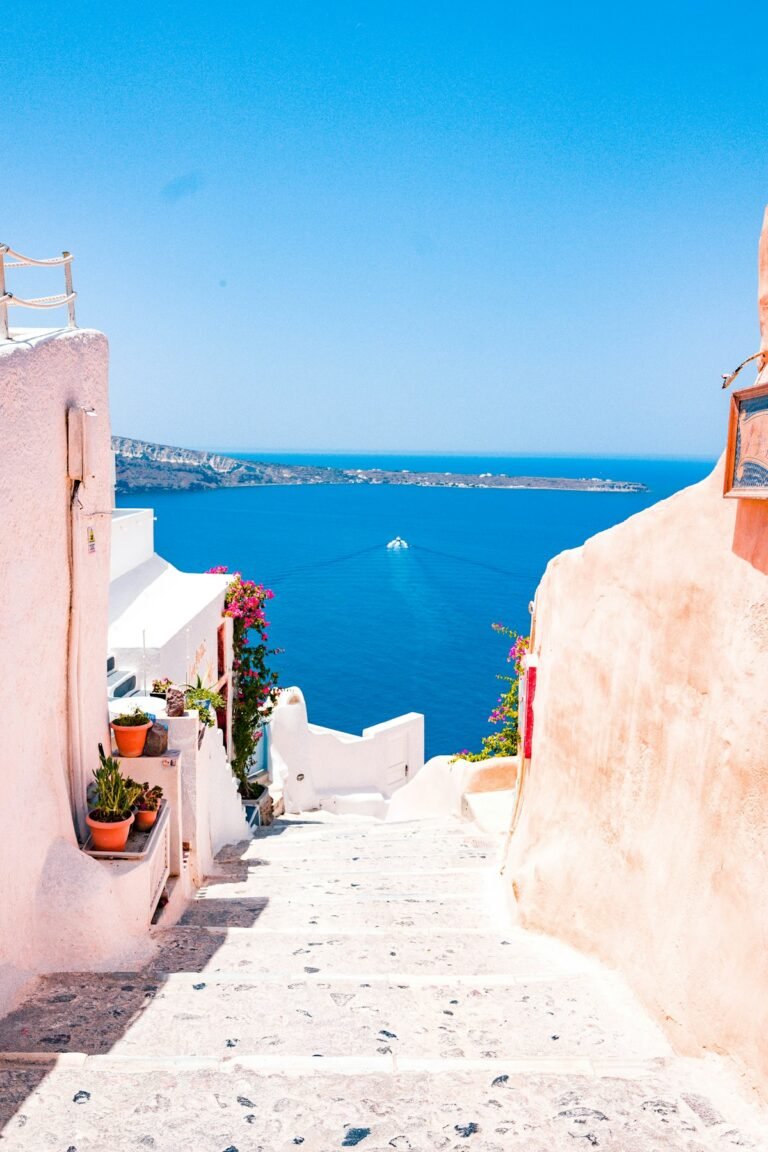
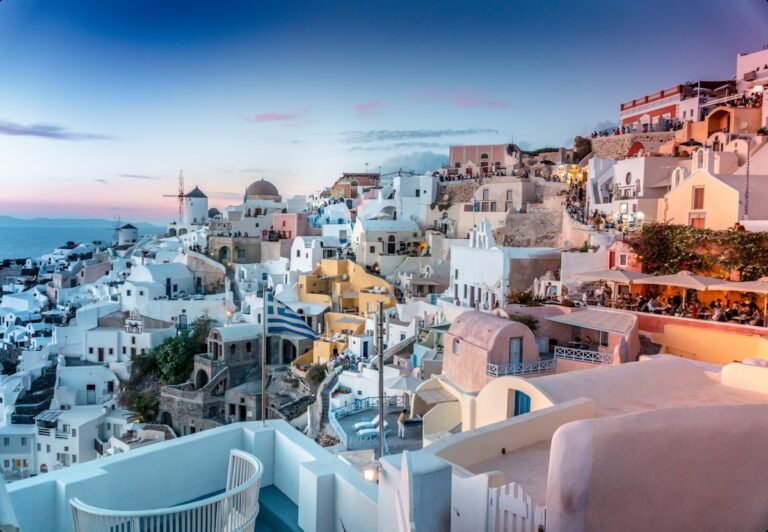
While Santorini is famous for its coastal views and whitewashed buildings, travelers who venture beyond the busiest areas can discover quieter settlements in the island’s elevated interior.
These smaller communities provide opportunities to experience traditional island architecture, local food, vineyards, and slower-paced village life.
11. Guatapé’s Surrounding Villages, Colombia
Guatapé is famous for its colorful architecture and enormous El Peñol rock, but the surrounding countryside contains smaller communities where visitors can experience a quieter side of Colombia.
The mountainous landscape, lakes, farms, and rolling green hills make this region particularly attractive for travelers who enjoy outdoor adventures.
12. Ushguli, Georgia
Deep in Georgia’s Svaneti region, Ushguli is one of the most remote mountain communities in Europe. Surrounded by enormous Caucasus peaks, the settlement is known for its ancient stone towers and traditional architecture.
Getting there can be part of the adventure, making it especially appealing to travelers who enjoy remote destinations.
Best for: Hiking, remote travel, mountain photography, and cultural experiences.
13. Eze, France
Although Eze is located close to the French Riviera, its medieval hilltop village feels worlds away from the busy coastal resorts below.
Stone passageways wind between historic buildings while viewpoints provide spectacular views across the Mediterranean.
Travel tip: Visit early in the morning or later in the afternoon to enjoy the village with fewer visitors.
14. Manarola, Italy
Manarola is one of the famous villages of Italy’s Cinque Terre, but its steep position among the Ligurian hills gives it a distinctive mountain-and-sea atmosphere.
Hiking trails connect the surrounding communities, offering travelers opportunities to explore the rugged coastline on foot.
15. Kotor Mountain Villages, Montenegro
The mountains surrounding Kotor contain small settlements, old stone houses, and winding roads that provide a different perspective on Montenegro’s famous Bay of Kotor.
Travelers who venture away from the waterfront can discover quiet mountain landscapes, traditional homes, and panoramic views over the bay.
Why Visit Hidden Mountain Villages?
Mountain villages offer something that large tourist destinations often struggle to provide: space, authenticity, and a slower pace of life.
They are excellent places to disconnect from busy schedules, enjoy nature, discover traditional cultures, and experience local communities more closely.
- Beautiful scenery: Mountains provide spectacular landscapes and viewpoints.
- Local culture: Small communities often preserve unique traditions and customs.
- Outdoor adventures: Hiking, trekking, cycling, and nature walks are common.
- Peace and quiet: Remote villages can offer an escape from crowded cities.
- Authentic food: Local restaurants and family-run accommodations often showcase regional cuisine.
Tips for Visiting Remote Mountain Villages
Traveling to remote mountain communities requires a little more preparation than visiting major cities.
Check Transportation Before You Go
Some villages have limited bus or train services, while others require hiking, private transfers, or seasonal transportation. Always check your route before leaving.
Travel Light
A lightweight backpack is much easier to carry when navigating steep streets, hiking trails, or villages without vehicle access.
Respect Local Customs
Remember that many mountain villages are living communities rather than tourist attractions. Dress appropriately, ask before photographing people, and respect private property.
Carry Some Cash
Small villages may have limited access to ATMs and card-payment facilities. Carry enough local currency for food, transportation, and accommodation.
Visit Outside Peak Season
Traveling during shoulder or off-peak seasons can provide a quieter experience and sometimes lower accommodation prices. However, check weather and transportation conditions before traveling to high-altitude areas.
Final Thoughts
The world’s hidden mountain villages prove that some of the most memorable travel experiences aren’t always found in famous capitals or major tourist attractions.
From the Caucasus Mountains and Japanese Alps to European hill towns and Southeast Asian rice terraces, these communities offer travelers an opportunity to slow down and experience destinations from a different perspective.
If you’re planning your next adventure, consider leaving the crowded tourist trail behind. Sometimes, the road leading into a quiet mountain village is where the real adventure begins.
Want to make your trip unforgettable? You will be redirected to GetYourGuide for top-rated tours, excursions, and experiences. 🌍
Discover Tours & Activities →