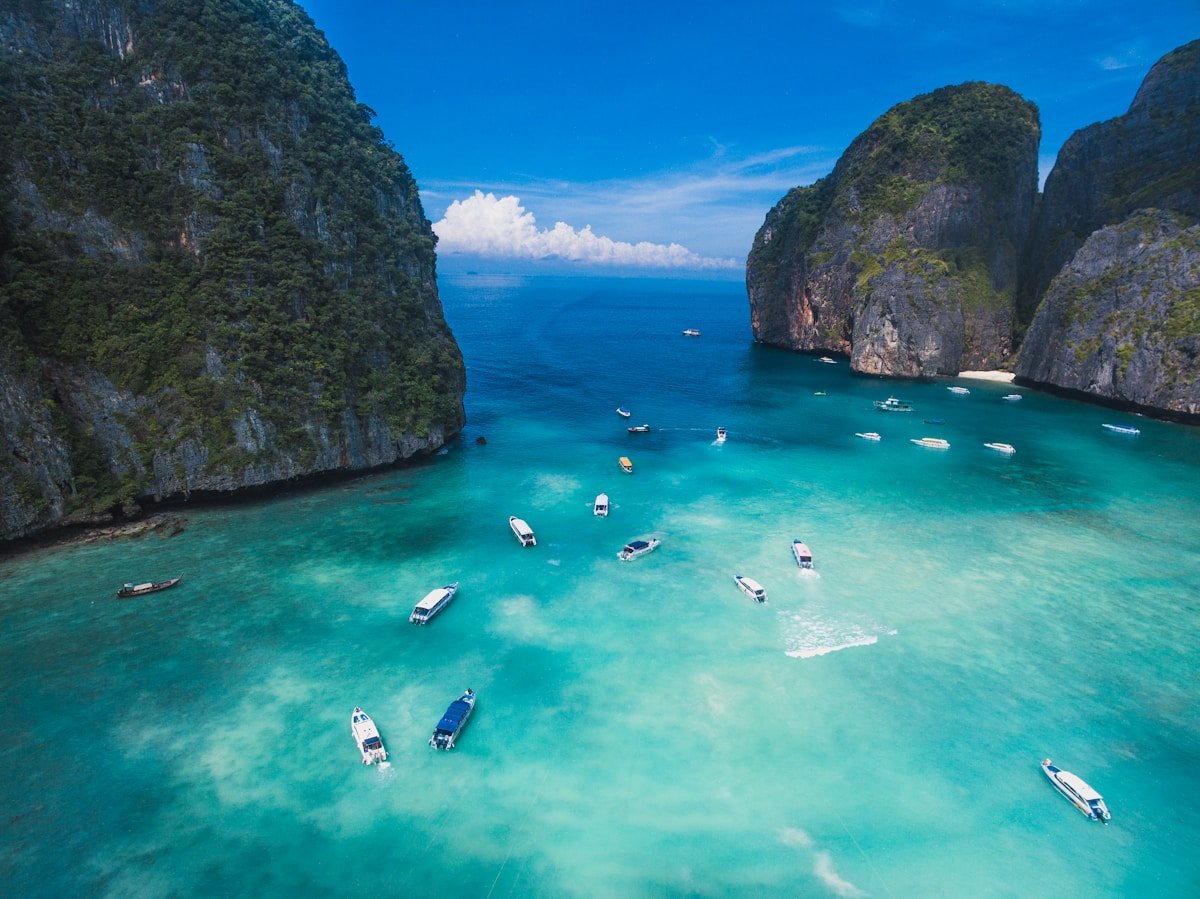
Remote Islands That Feel Like Another World
Some islands are more than beautiful holiday destinations—they feel like places that belong to another planet. Far from busy cities, crowded resorts, and familiar landscapes, these remote islands offer dramatic scenery, unusual wildlife, ancient cultures, and a powerful sense of isolation.
For adventurous travellers, visiting a remote island can be an unforgettable experience. Whether you dream of volcanic landscapes, icy wilderness, turquoise lagoons, or tiny communities surrounded by endless ocean, these destinations are worth putting on your travel list.
Looking for accommodations? You will be redirected to Booking.com to check availability and prices. 🏨
Check Hotels & Prices →1. Socotra, Yemen
Socotra is one of the most unusual islands on Earth. Located in the Arabian Sea, the island is famous for its strange-looking dragon blood trees, limestone mountains, white sand dunes, and unique plant life.
Because many of its species exist nowhere else, Socotra often feels like a living natural laboratory. Its landscapes can look more like a science-fiction movie than a conventional tropical destination.
Why Visit Socotra?
- See the famous dragon blood trees.
- Explore dramatic mountains and caves.
- Discover rare endemic wildlife and plants.
- Experience traditional island communities.
2. Tristan da Cunha, South Atlantic Ocean
Tristan da Cunha is often described as one of the most remote inhabited places on Earth. Located deep in the South Atlantic, this volcanic island is thousands of kilometres from the nearest major landmass.
The island has a tiny population and a spectacular volcanic landscape. Travelling there requires serious planning, but the reward is an experience that feels completely removed from modern city life.
What Makes It Special?
- Extremely remote location.
- Volcanic scenery and rugged coastlines.
- Small, close-knit island community.
- Excellent opportunities for wildlife observation.
3. Easter Island, Chile
Known locally as Rapa Nui, Easter Island is famous for its enormous moai statues. These mysterious stone figures were created by the island’s Polynesian inhabitants centuries ago.
Beyond the statues, Rapa Nui features volcanic craters, grassy hills, dramatic coastal cliffs, and fascinating Polynesian culture. Its isolation in the Pacific gives the island an extraordinary atmosphere.
Things to Experience
- Visit the moai statues at archaeological sites.
- Explore volcanic craters.
- Learn about Rapa Nui culture and history.
- Enjoy the island’s dramatic Pacific coastline.
4. Svalbard, Norway
For travellers seeking an island experience unlike a tropical getaway, Svalbard offers an entirely different world. This Arctic archipelago is dominated by glaciers, mountains, fjords, snow-covered landscapes, and long periods of extreme seasonal light.
Wildlife encounters can include Arctic foxes, reindeer, seals, seabirds, and, in suitable areas and with professional guidance, polar bears.
Why Svalbard Feels Otherworldly
- Massive glaciers and Arctic mountains.
- Midnight sun during summer.
- Polar night during winter.
- Exceptional Arctic wildlife.
5. Faroe Islands, Denmark
The Faroe Islands are a collection of rugged islands in the North Atlantic known for steep cliffs, green mountains, waterfalls, tiny villages, and dramatic ocean views.
The constantly changing weather adds to their mysterious character. One moment the landscape can be covered in mist, while minutes later sunlight can transform the scenery.
Best Experiences
- Hike along dramatic coastal cliffs.
- Explore remote villages.
- Watch seabirds around towering cliffs.
- Photograph waterfalls and mountain landscapes.
6. South Georgia Island
South Georgia is a remote island in the Southern Ocean and one of the world’s most extraordinary wildlife destinations. Its rugged mountains, glaciers, beaches, and enormous colonies of seabirds and marine mammals create an unforgettable landscape.
The island is particularly famous for its penguin colonies. During the right season, visitors can witness thousands of animals gathered along the coastline.
What to Expect
- Huge penguin colonies.
- Glaciers and snow-covered mountains.
- Remote beaches and wild coastlines.
- Exceptional Antarctic wildlife.
7. Palmerston Island, Cook Islands
Palmerston Island is a tiny coral atoll in the South Pacific with an extraordinary sense of isolation. The island is surrounded by beautiful blue water and is home to a very small community.
Getting there is part of the adventure. Its distance from major tourist centres means visitors can experience a much slower and more intimate style of island travel.
8. Pitcairn Island
Pitcairn Island is one of the world’s smallest and most isolated inhabited islands. Located in the South Pacific, it is surrounded by dramatic cliffs and deep ocean waters.
The island has a fascinating history connected to the HMS Bounty mutiny and offers visitors an opportunity to experience a community far removed from conventional tourism.
Why Visit?
- Experience one of the world’s most remote communities.
- Learn about the island’s fascinating history.
- Explore rugged landscapes.
- Enjoy a peaceful alternative to crowded island resorts.
9. Kerguelen Islands, French Southern and Antarctic Lands
Sometimes called the Desolation Islands, the Kerguelen Islands are an extremely remote archipelago in the southern Indian Ocean.
The landscape is dominated by rugged mountains, glaciers, windswept valleys, and dramatic coastlines. There are no permanent civilian settlements, making this destination particularly difficult to visit.
For scientists, researchers, and specially arranged expedition travellers, Kerguelen offers an experience of untouched wilderness unlike almost anywhere else.
10. Lord Howe Island, Australia
Lord Howe Island combines tropical beauty with dramatic volcanic scenery. Located in the Tasman Sea, it is known for turquoise waters, lush forests, coral reefs, mountains, and strict limits on visitor numbers.
The island is an excellent choice for travellers who want a remote atmosphere without completely sacrificing comfort.
Things to Do
- Hike through subtropical forests.
- Snorkel around coral reefs.
- Explore beaches and lagoons.
- Climb Mount Gower with an experienced guide.
11. Flores Island, Indonesia
Flores is part of Indonesia’s Lesser Sunda Islands and offers a dramatic combination of volcanic mountains, traditional villages, tropical landscapes, and rugged coastlines.
The island is also a gateway to the famous Komodo region, but Flores itself deserves attention for its unique landscapes and cultural experiences.
12. São Tomé, São Tomé and Príncipe
São Tomé is a lush volcanic island in the Gulf of Guinea. Thick rainforest, old cocoa plantations, black-sand beaches, waterfalls, and towering volcanic peaks give the island a distinctly adventurous character.
It is an appealing destination for travellers looking for tropical scenery without the crowds associated with some of the world’s better-known islands.
Tips for Visiting Remote Islands
Plan Transportation Carefully
Remote islands may have limited flights, irregular boats, or seasonal transportation. Check schedules well in advance and allow extra time for unexpected delays.
Travel With the Right Gear
Depending on the destination, you may need hiking shoes, waterproof clothing, warm layers, insect repellent, sun protection, a power bank, and reliable travel insurance.
Respect Local Communities
Many remote islands have small populations and fragile ecosystems. Respect local customs, ask before photographing people, avoid unnecessary waste, and support locally owned businesses whenever possible.
Protect the Environment
Remote islands can have extremely delicate ecosystems. Avoid taking shells, plants, rocks, or wildlife products home, and follow all local conservation rules.
Final Thoughts
Remote islands offer something that busy tourist destinations often cannot: a genuine feeling of discovery. From the alien landscapes of Socotra to the icy wilderness of Svalbard and the isolated communities of the South Pacific, these islands prove that there are still places where the world feels wonderfully unfamiliar.
If your idea of travel involves adventure, solitude, unusual landscapes, and unforgettable experiences, adding a remote island to your bucket list could be the perfect way to escape the ordinary.
Frequently Asked Questions
What is the most remote inhabited island?
Tristan da Cunha is widely regarded as one of the most remote inhabited island groups in the world, located in the South Atlantic far from major population centres.
Are remote islands expensive to visit?
They can be. Limited transportation, difficult logistics, specialist tours, and restricted accommodation can make remote islands considerably more expensive than mainstream destinations.
Are remote islands suitable for budget travellers?
Some are, particularly islands with regular public transportation and locally owned accommodation. However, the most isolated destinations often require significantly larger travel budgets.
What is the best reason to visit a remote island?
The biggest attraction is the opportunity to experience landscapes, cultures, and wildlife far away from mass tourism. For many travellers, the journey itself becomes part of the adventure.
Want to make your trip unforgettable? You will be redirected to GetYourGuide for top-rated tours, excursions, and experiences. 🌍
Discover Tours & Activities →