
Minimalist Travel Through Japan: Packing for Convenience Stores
How Japan’s tiny stores make it possible to travel lighter, simpler, and smarter.
Looking for accommodations? You will be redirected to Booking.com to check availability and prices. 🏨
Check Hotels & Prices →<p>
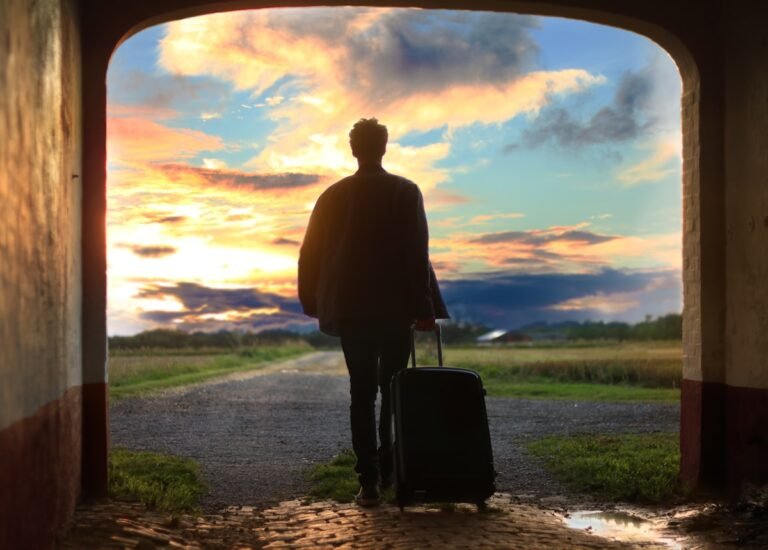
There is a strange freedom that happens when you stop packing for “just in case.”
Japan quietly teaches that lesson better than almost anywhere else in the world.
</p>
<p>
In many countries, travelers carry huge backpacks stuffed with snacks, medicine,
extra clothes, chargers, toiletries, and emergency supplies. In Japan, much of
that weight becomes unnecessary because convenience stores — known locally as
<em>konbini</em> — exist almost everywhere.
</p>
<blockquote>
“The lighter your bag becomes, the more your journey begins to breathe.”
</blockquote>
<h2>The Magic of Japanese Convenience Stores</h2>
<p>
Convenience stores in Japan are not like ordinary corner shops. They function almost
like tiny survival centers for everyday life. Whether you walk into a 7-Eleven,
Lawson, or FamilyMart, you can find surprisingly high-quality essentials at nearly
any hour of the day.
</p>
<p>
Need toothpaste? It’s there.
Fresh food at midnight? Easy.
Umbrella during sudden rain? Done.
Clean socks after getting soaked? No problem.
</p>
<p>
For minimalist travelers, this changes everything.
</p>
<h2>Why Overpacking Makes Travel Harder</h2>
<p>
Many travelers spend weeks planning outfits, gadgets, backup shoes, and emergency
supplies. But carrying too much often creates more stress than comfort.
</p>
<ul>
<li>Heavy bags slow you down in crowded train stations.</li>
<li>Too many items make hostels and hotels feel cluttered.</li>
<li>You waste energy organizing things instead of enjoying places.</li>
<li>Moving quickly becomes difficult during long transit days.</li>
</ul>
<p>
Japan’s transportation system rewards light travel. Narrow stairways, packed subway
lines, and fast transfers become much easier when your luggage feels almost invisible.
</p>
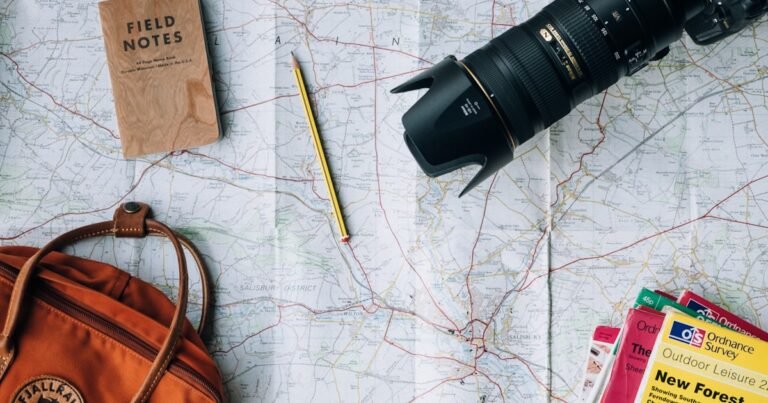
<h2>What You Actually Need to Pack</h2>
<div class="highlight">
<h3>Minimalist Japan Packing List</h3>
<ul>
<li>2–3 lightweight shirts</li>
<li>1 comfortable pair of walking shoes</li>
<li>Compact rain jacket</li>
<li>Portable charger</li>
<li>Travel documents and cards</li>
<li>Basic toiletries for the first day</li>
<li>One versatile bag</li>
</ul>
</div>
<p>
That’s surprisingly enough for many travelers.
</p>
<p>
The rest can usually be purchased easily and cheaply when needed. Japan’s convenience
stores remove the fear of “running out” because essentials are rarely far away.
</p>
<h2>Eating Minimalist in Japan</h2>
<p>
One of the biggest reasons travelers overpack is food anxiety. People carry protein
bars, instant noodles, giant water bottles, and emergency snacks.
</p>
<p>
In Japan, convenience stores solve this beautifully.
</p>
<p>
Fresh rice balls, sandwiches, salads, noodles, fried chicken, soups, desserts,
coffee, and full hot meals are available almost everywhere. Many are surprisingly
affordable and high quality.
</p>
<blockquote>
“A warm meal at 2 AM from a tiny convenience store can feel more comforting than luxury.”
</blockquote>
<h2>The Psychological Freedom of Buying Later</h2>
<p>
Minimalist travel is not only about reducing weight. It is also about reducing fear.
</p>
<p>
Overpacking often comes from anxiety:
</p>
<ul>
<li>“What if I need this?”</li>
<li>“What if I can’t find that?”</li>
<li>“What if something goes wrong?”</li>
</ul>
<p>
Japan’s convenience culture creates trust. You begin realizing that most daily
problems can be solved quickly without carrying your entire life on your back.
</p>
<p>
That realization feels deeply calming.
</p>
<h2>The Beauty of Small Daily Routines</h2>
<p>
Some travelers eventually develop small rituals around convenience stores:
</p>
<ul>
<li>Morning coffee before catching a train</li>
<li>Late-night rice balls after long walks</li>
<li>Buying fresh socks during rainy days</li>
<li>Trying new seasonal snacks every evening</li>
</ul>
<p>
These tiny moments become part of the journey itself.
</p>
<h2>Minimalism Creates More Space for Experience</h2>
<p>
When you carry less, you notice more.
</p>
<p>
You walk longer without exhaustion. You move through stations faster. You become
more flexible with spontaneous plans. You spend less time managing belongings and
more time observing streets, people, food smells, neon lights, temples, rivers,
and quiet alleys.
</p>
<p>
The trip becomes lighter emotionally as well as physically.
</p>
<blockquote>
“The less you carry, the easier it becomes to carry memories.”
</blockquote>
<h2>Final Thoughts</h2>
<p>
Japan teaches an important minimalist lesson:
convenience can replace excess.
</p>
<p>
Instead of preparing for every possible situation, you learn to trust the environment,
adapt daily, and live with less. The endless network of convenience stores quietly
supports this lifestyle, allowing travelers to move freely without fear.
</p>
<p>
Sometimes the smartest packing strategy is not bringing more things —
but traveling somewhere that requires less from you.
</p>© 2026 Minimalist Travel Journal. Travel lighter. Live lighter.
Want to make your trip unforgettable? You will be redirected to GetYourGuide for top-rated tours, excursions, and experiences. 🌍
Discover Tours & Activities →