Remote Destinations in South America Worth the Journey
South America is famous for iconic destinations such as Machu Picchu, Rio de Janeiro, Buenos Aires, and Patagonia. But beyond these well-known attractions are remote places where dramatic landscapes, small communities, wildlife, and unforgettable adventures await travelers willing to go a little farther.
These destinations may require long bus journeys, flights on small aircraft, boat trips, rough roads, or several days of planning. The reward is an experience that feels far removed from the usual tourist trail.
Looking for accommodations? You will be redirected to Booking.com to check availability and prices. 🏨
Check Hotels & Prices →1. El Chaltén, Argentina
Located in Argentina’s southern Patagonia, El Chaltén is a small mountain town surrounded by spectacular peaks, glaciers, forests, and hiking trails. It is an excellent destination for travelers who want dramatic scenery without the atmosphere of a major tourist city.
The area is particularly famous for views of Mount Fitz Roy and Cerro Torre. Hiking opportunities range from shorter walks to challenging full-day adventures.
2. Puerto Williams, Chile
Often described as one of the world’s southernmost settlements, Puerto Williams sits on Navarino Island at the edge of Tierra del Fuego. Its isolated location gives it a peaceful atmosphere and makes it an appealing alternative to more visited Patagonian destinations.
Visitors can explore rugged mountains, forests, waterways, and remote hiking trails while experiencing life in one of the world’s farthest southern communities.
3. Ciudad Perdida, Colombia
Hidden deep in the Sierra Nevada de Santa Marta, Ciudad Perdida, or the Lost City, is an ancient archaeological site accessible only by trekking through the surrounding mountains.
The journey typically involves several days of hiking through tropical forests, river crossings, steep paths, and Indigenous territories. Reaching the stone terraces of the Lost City is as memorable as the destination itself.
4. Rurrenabaque, Bolivia
Rurrenabaque serves as a gateway to Bolivia’s Amazon region and the nearby Madidi area. It is a good choice for travelers seeking rainforest adventures, wildlife encounters, and river excursions away from South America’s major tourist centers.
Depending on the route, visitors may encounter monkeys, caimans, colorful birds, river dolphins, and other Amazonian wildlife.
5. Iquitos, Peru
Iquitos is one of the world’s largest cities that cannot be reached by road from the outside. Located deep in the Peruvian Amazon, it provides a fascinating starting point for exploring rainforest communities and waterways.
Travelers can take boat trips along the Amazon River, visit surrounding villages, explore jungle lodges, and experience a completely different side of Peru.
6. Fernando de Noronha, Brazil
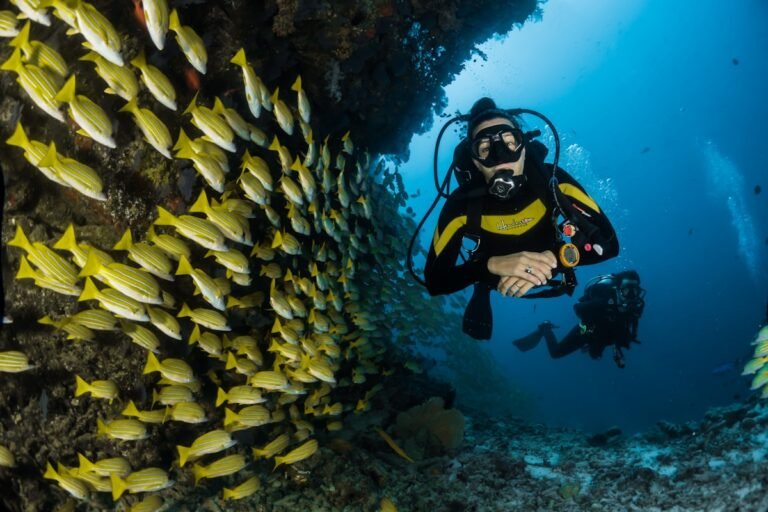
Far from Brazil’s busiest coastal cities, Fernando de Noronha is an isolated Atlantic archipelago known for clear waters, dramatic cliffs, beaches, and abundant marine life.
The journey requires additional planning because visitor numbers and environmental regulations are controlled. For travelers who make the effort, the islands offer exceptional opportunities for snorkeling, diving, hiking, and wildlife watching.
7. Valle de la Luna and the Remote Atacama, Chile
The Atacama Desert is already famous, but travelers who venture beyond its best-known attractions can discover much quieter landscapes. Vast salt flats, volcanic formations, high-altitude lagoons, and isolated desert valleys create scenery that feels almost extraterrestrial.
Because of the area’s altitude and harsh environment, visitors should plan carefully, stay hydrated, and allow time to adjust to high elevations.
8. Guyana’s Kaieteur Falls
Deep within Guyana’s rainforest lies Kaieteur Falls, one of South America’s most spectacular waterfalls. Its remote setting is part of what makes the experience special.
Unlike heavily developed waterfall destinations, the surrounding rainforest gives Kaieteur a sense of wilderness and isolation. Travelers can reach the falls through organized flights or longer adventure routes depending on conditions and available tours.
9. Los Roques, Venezuela
Los Roques is a remote Caribbean archipelago consisting of small islands, coral reefs, sandbanks, and turquoise waters. It offers a quieter alternative to many of the Caribbean’s heavily developed resort destinations.
The islands are particularly appealing to travelers interested in snorkeling, diving, fishing, photography, and peaceful beach escapes.
10. Colca Canyon, Peru
Located away from Peru’s most famous attractions, Colca Canyon is a spectacular highland destination known for enormous landscapes and Andean villages.
The canyon is also famous for sightings of Andean condors soaring above the cliffs. Travelers can combine scenic viewpoints with hiking, hot springs, and visits to traditional communities.
11. Chiloé Island, Chile
Chiloé offers a distinctive combination of green landscapes, traditional wooden architecture, fishing communities, local mythology, and coastal scenery. Its location in southern Chile makes it feel considerably more remote than the country’s major urban destinations.
Travelers can explore colorful towns, historic churches, coastal landscapes, national parks, and local food traditions.
12. Torotoro National Park, Bolivia
For travelers willing to venture beyond Bolivia’s better-known attractions, Torotoro National Park offers dramatic canyons, caves, rock formations, waterfalls, and ancient dinosaur footprints.
The park’s relative remoteness makes it especially attractive to adventurous travelers looking for unusual landscapes and outdoor activities without large crowds.
13. Tayrona’s Quieter Corners, Colombia
Although Tayrona National Park is increasingly popular, parts of the park can still provide a sense of wilderness, particularly when visitors explore beyond its most famous beaches and plan their trip outside peak periods.
Dense rainforest, mountains, beaches, and Caribbean coastline combine to create one of Colombia’s most impressive natural environments.
14. The Rupununi, Guyana
The Rupununi region in southern Guyana is a vast landscape of savannahs, wetlands, rivers, and forests. It is particularly appealing to travelers interested in wildlife, Indigenous culture, birdwatching, and remote landscapes.
Getting around can require organized transportation and local guides, but the effort opens the door to an area that remains far less visited than many destinations elsewhere in South America.
15. Pumalín National Park, Chile
Located in the wild landscapes of northern Patagonia, Pumalín is known for temperate rainforests, volcanoes, fjords, rivers, and rugged mountains. It is an excellent destination for hikers and nature lovers who prefer wilderness over crowded attractions.
The park’s trails and scenery provide opportunities for camping, hiking, photography, and exploring some of Chile’s most spectacular natural environments.
Why Visit Remote Destinations?
Remote travel offers more than simply escaping crowds. It can provide opportunities to experience landscapes in their natural setting, interact with smaller communities, discover lesser-known cultural traditions, and enjoy a slower pace of travel.
However, remote destinations often require more preparation. Transportation can be limited, weather can change quickly, accommodation may be basic, and internet or mobile coverage can be unreliable.
Tips for Exploring Remote South America
- Research transportation options before leaving major cities.
- Allow extra time for delays caused by weather or road conditions.
- Carry sufficient cash where card payments may not be available.
- Use reputable local guides for treks and wilderness excursions.
- Check altitude requirements before visiting high-elevation destinations.
- Pack appropriate clothing for changing weather conditions.
- Respect Indigenous communities, local customs, and protected environments.
- Purchase appropriate travel insurance for remote-area activities.
- Download offline maps when mobile coverage may be limited.
- Follow local environmental regulations and leave natural areas clean.
Final Thoughts
South America’s most memorable experiences are not always found in its famous capitals or heavily photographed attractions. From remote Patagonian settlements and Amazonian waterways to isolated islands, mountain trails, and little-known national parks, the continent offers countless adventures for travelers willing to go beyond the standard itinerary.
If you are comfortable with longer journeys and a little uncertainty, these remote destinations can turn an ordinary South American trip into an unforgettable adventure.
Want to make your trip unforgettable? You will be redirected to GetYourGuide for top-rated tours, excursions, and experiences. 🌍
Discover Tours & Activities →