
Sleeping in Watchtowers: Accommodation Hacks in the Italian Alps
Accommodation Hacks in the Italian Alps
Looking for accommodations? You will be redirected to Booking.com to check availability and prices. 🏨
Check Hotels & Prices →Across the high ridges of northern Italy, ancient stone watchtowers still stand above forests and alpine valleys. Many of them were once used to guard trade routes, monitor borders, or signal approaching armies. Today, some hikers and budget travelers have discovered an unusual overnight option — sleeping inside these forgotten structures. While not all watchtowers allow overnight stays, a few have been restored or unofficially used as emergency shelters, making them a unique and sometimes free accommodation option in the Italian Alps.

Why Watchtowers Exist in the Alps
From the medieval period through the early modern era, alpine valleys were crucial trade corridors between northern and southern Europe. Watchtowers were built along ridges and passes to monitor travelers, signal danger, and collect tolls. In regions like South Tyrol, Piedmont, and the Aosta Valley, you can still find these towers perched above villages and mountain trails.
Some have been restored as historical monuments, but others remain empty stone shells deep in the mountains. A few are maintained by hiking clubs and serve as basic shelters for trekkers caught in bad weather.
Where You Can Find Them
- South Tyrol (Alto Adige) – Towers overlooking old trade routes to Austria.
- Aosta Valley – Defensive towers built near medieval castles.
- Piedmont Alps – Watchpoints guarding old smuggling paths.
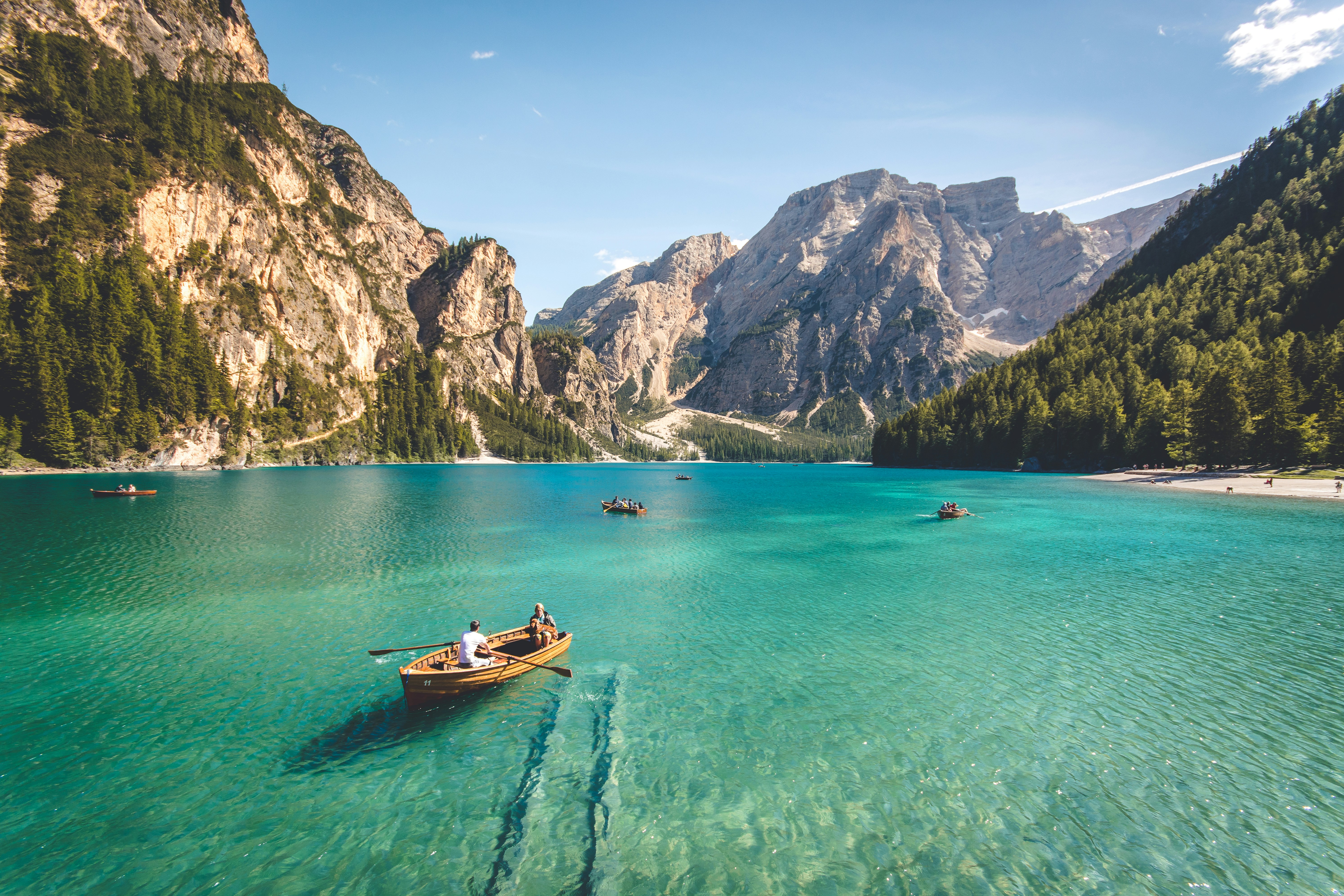
- Dolomites – Some towers repurposed as small hiking shelters.
How Travelers Use Them
Budget hikers occasionally sleep inside abandoned or restored towers during multi-day treks. Because many towers are located along ridges, they provide protection from wind and storms. However, most do not offer official beds or services.
Expect very basic conditions:
- Stone floors or wooden platforms
- No electricity
- No running water
- Cold temperatures at night
Important: Always check local regulations before sleeping in historic structures. Some towers are protected heritage sites where overnight stays are not allowed.
Practical Tips for Sleeping in a Watchtower
1. Carry a Sleeping Pad
Stone surfaces get extremely cold at night. A lightweight sleeping pad or inflatable mat makes a huge difference.
2. Bring a Headlamp
Most towers have no windows or lighting. A reliable headlamp is essential after sunset.
3. Respect the Structure
Many of these towers are centuries old. Avoid fires inside, leave no trash behind, and treat the location as a historical site.
4. Use It as Emergency Shelter
The safest approach is to treat watchtowers as emergency shelters rather than planned accommodation. Weather in the Alps can change quickly.

Better Alternatives Nearby
If you prefer something more comfortable, the Alps offer several affordable alternatives:
- Mountain refuges (Rifugios) – Basic alpine huts run by hiking clubs.
- Alpine bivouac shelters – Free emergency huts along high-altitude routes.
- Budget guesthouses – Found in small alpine villages.
These options often cost far less than hotels and provide much better protection from harsh alpine weather.
Final Thoughts
Sleeping in an ancient watchtower in the Italian Alps is one of those unusual travel experiences that feels like stepping back in time. The silence of the mountains, thick stone walls, and sweeping valley views create an atmosphere few modern accommodations can match.
But remember — these places are part of history. Treat them with respect, prepare properly, and always prioritize safety in the mountains.
Travel Guide • Unusual Accommodation Ideas