Staying Connected Off the Grid: The Best Apps for Navigation and Accommodation 🌍📱
Traveling off the beaten path can be liberating — and challenging. In remote areas, Wi-Fi is sparse, cellular coverage is spotty, and paper maps can only go so far. The right apps help you stay connected, navigate confidently, and find accommodation wherever you are, without compromising the adventure.
Why Apps Matter for Off-Grid Travel
Being “off the grid” doesn’t mean being lost. The right tools ensure you can explore safely, discover hidden gems, and make informed decisions on routes, lodging, and emergencies. Digital support becomes part of your travel kit, just like your backpack and water bottle.
Looking for accommodations? You will be redirected to Booking.com to check availability and prices. 🏨
Check Hotels & Prices →Top Navigation Apps for Remote Areas
- Maps.me: Works offline with detailed maps and hiking trails. Ideal for buses, hikes, or remote drives.
- Google Maps (Offline Mode): Download regional maps to navigate cities and roads without internet.
- Komoot: Perfect for trekking and cycling routes, with offline map downloads.
- Waze: Helpful for urban driving with traffic updates when coverage is available.
- OsmAnd: Open-source maps with offline routing for cars, bikes, and walking.
Accommodation & Booking Apps
- Hostelworld: Find budget-friendly hostels worldwide, read real traveler reviews.
- Booking.com: Offline maps and confirmed bookings help when cellular coverage is patchy.
- Airbnb: Great for longer stays or unique local accommodations; download reservation details offline.
- iOverlander: Overlanding-focused app for campsites, parking, and user tips worldwide.
- Couchsurfing: Connect with locals even without constant internet; messages sync when online.
Connectivity & Safety Tools
- Maps.me and GPX track exports: Share your route with friends for safety.
- Offline messaging apps: Bridge communications when internet is limited (e.g., Signal, Bridgefy).
- Weather apps with offline mode: Stay informed about storms or dangerous conditions.
- Emergency apps: Know local emergency numbers and geotag your location.
Practical Travel Tips
- Download all offline maps and accommodation details before entering remote areas.
- Carry a power bank and solar charger for extended trips without electricity.
- Keep app login credentials accessible offline.
- Combine multiple apps — navigation, accommodation, and weather — for redundancy.
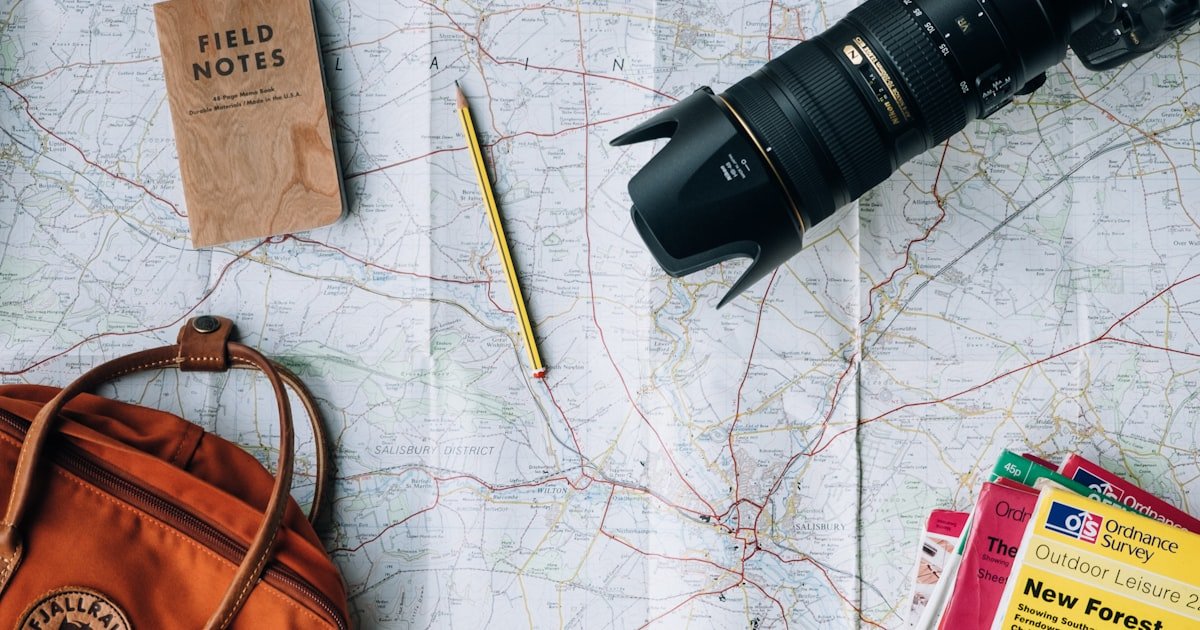
- Always have a physical backup map for extreme remote areas.
Who Is This Guide For?
- Backpackers exploring remote or rural destinations
- Digital nomads traveling off-grid or overland
- Road trippers seeking flexibility without losing connectivity
- Independent travelers who value self-sufficiency and safety
Frequently Asked Questions
Do these apps work offline?
Most of the apps listed, like Maps.me and Komoot, offer offline functionality. Always download maps and routes before leaving urban areas.
Can I rely solely on apps for navigation?
Apps are highly useful, but it’s wise to carry a physical map and know basic navigation skills.
What if there is no Wi-Fi or mobile coverage?
Offline maps, pre-downloaded reservations, and emergency contacts keep you prepared even in remote areas.
Are there free apps for off-grid travel?
Yes. Maps.me, OsmAnd, and iOverlander are free with optional premium features.
Conclusion
Staying connected off the grid is about **preparation, redundancy, and smart use of technology**. With the right combination of navigation, accommodation, and safety apps, you can explore remote destinations confidently and independently. These tools enhance your adventure, letting you focus on discovery instead of worrying about logistics.
Remember: the best travel experiences happen where the roads are quiet, and the apps work silently in the background to keep you informed and safe.
Want to make your trip unforgettable? You will be redirected to GetYourGuide for top-rated tours, excursions, and experiences. 🌍
Discover Tours & Activities →