Why Overland Travel Changes How You See Distance
Flying compresses the world into a series of airports. Overland travel does the opposite. When you move across countries by train, bus, shared taxis, ferries, or even on foot, distance stops being a number on a map and becomes something you feel.
Distance Becomes Time, Not Kilometers
On a plane, 2,000 kilometers is just a few hours and a movie. Overland, the same distance can mean multiple border crossings, overnight buses, missed connections, and slow mornings waiting for transport to fill up.
Looking for accommodations? You will be redirected to Booking.com to check availability and prices. 🏨
Check Hotels & Prices →You begin to measure distance in questions like:
- How many days will this take?
- How tired will I be when I arrive?
- What will I pass through on the way?
You Notice What Exists Between Places
Flying teaches you that cities are destinations and everything else is empty space. Overland travel proves that the “in-between” is often the most revealing part of a country.
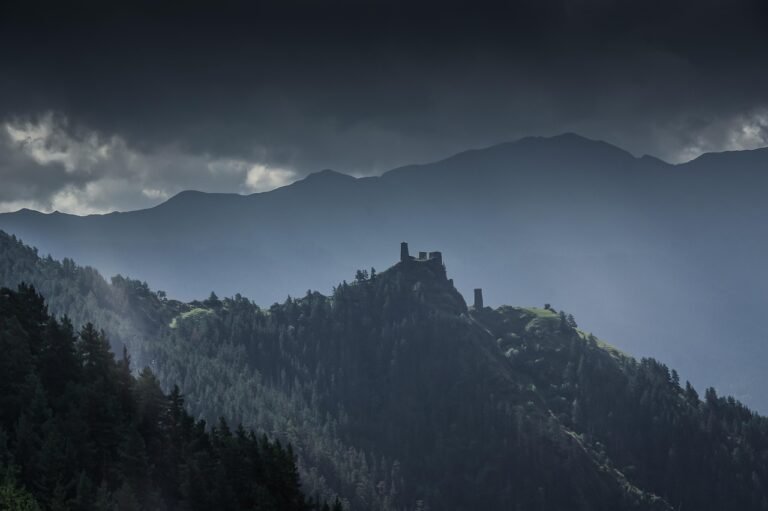
You see landscapes slowly shift, languages blend at borders, food change by region, and architecture evolve town by town. Distance becomes a story, not a gap.
Overland reality: Two cities that look close on a map may feel worlds apart once you experience the terrain, roads, and cultural transitions between them.
Hard Journeys Reset Your Sense of Scale
A rough 10-hour bus ride through mountains or desert can feel longer than an international flight. After experiences like that, short trips no longer feel short — they feel earned.
You stop saying “It’s only a few hours away” without understanding what those hours actually involve.
Borders Become Physical, Not Political
Overland borders are not just lines on a map. They are queues, paperwork, waiting rooms, changing currencies, and sudden shifts in atmosphere.
Crossing them slowly makes you understand how distance is shaped by bureaucracy, infrastructure, and history — not just geography.
You Develop Patience and Realistic Expectations
Overland travel teaches that progress is rarely linear. Delays, breakdowns, and reroutes become normal. Distance is no longer frustrating; it’s simply part of the process.
This mindset often carries into everyday life, changing how you view time, goals, and effort.
The World Feels Bigger — and More Connected
Paradoxically, traveling slowly makes the world feel larger and more human at the same time. You realize how much effort it takes to move, but also how people everywhere adapt to that reality.
Distance stops being abstract. It becomes something you respect.
Overland travel isn’t about speed. It’s about understanding what lies between here and there.
Want to make your trip unforgettable? You will be redirected to GetYourGuide for top-rated tours, excursions, and experiences. 🌍
Discover Tours & Activities →