Backpacking the Former Nuclear Test Sites of the Marshall Islands
A Remote Journey Through History, Beauty, and Radiation
Looking for accommodations? You will be redirected to Booking.com to check availability and prices. 🏨
Check Hotels & Prices →Introduction
Scattered across the central Pacific Ocean, the Marshall Islands are home to some of the most remote and hauntingly beautiful landscapes on Earth. Between 1946 and 1958, the United States conducted 67 nuclear tests here, transforming peaceful atolls into ground zero for some of the most powerful explosions in human history.
Today, adventurous backpackers can explore parts of this region—but it’s not your typical tropical escape. Visiting former nuclear test sites like Bikini Atoll and Enewetak Atoll requires careful planning, respect for local communities, and a serious awareness of ongoing environmental risks.
Where Are the Test Sites?
The most significant nuclear testing locations are Bikini Atoll and Enewetak Atoll. Both lie in the northwestern region of the Marshall Islands and are extremely isolated.
Bikini Atoll
Bikini Atoll is perhaps the most famous nuclear test site, lending its name to the modern swimsuit. It was the location of the infamous Castle Bravo test in 1954—the most powerful nuclear explosion ever conducted by the United States.
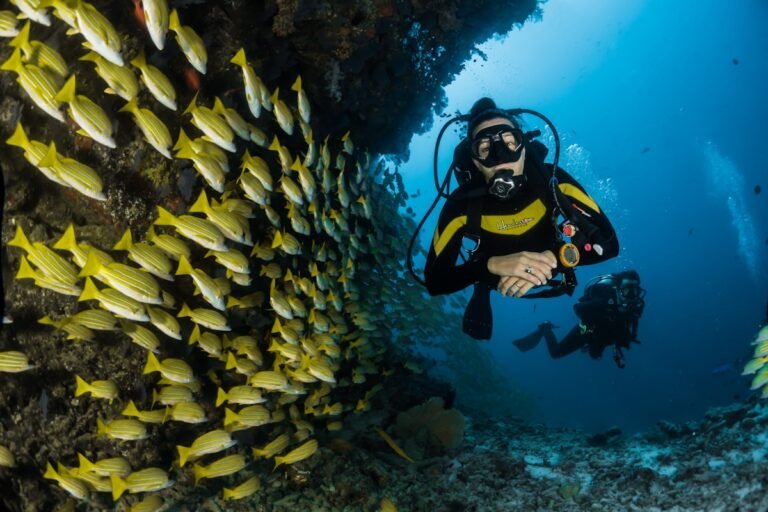
- Crystal-clear lagoons filled with sunken warships
- World-class technical diving opportunities
- Limited and highly restricted access
Enewetak Atoll
Enewetak saw 43 nuclear tests and is home to the Runit Dome, a massive concrete structure built to contain radioactive debris. While some islands have been declared safe, others remain contaminated.
- The eerie Runit Dome (“The Tomb”)
- Partially resettled local communities
- Restricted travel zones
⚠️ Safety Warning
Radiation remains a serious concern. Not all areas are safe for human exposure, and independent travel is not recommended without official permission. Always consult local authorities and scientific reports before planning any visit.
Getting There
Traveling to the Marshall Islands is already a challenge. Most visitors arrive via flights from Honolulu or Guam. Reaching the outer atolls requires chartered boats or special arrangements with local authorities.
- Fly into Majuro, the capital
- Arrange permits through government offices
- Expect high costs and logistical hurdles
Costs and Logistics
Backpacking here is far from budget-friendly. Due to isolation and restrictions, expenses can quickly rise.
- Flights: Expensive and infrequent
- Permits: Mandatory for restricted zones
- Guides: Often required
- Supplies: Must be brought with you
Ethical Considerations
These islands are not just historical sites—they are home to communities that were displaced and continue to deal with the long-term effects of nuclear testing. Respect local culture, listen to residents, and avoid treating the area as a mere curiosity.
Final Thoughts
Backpacking the former nuclear test sites of the Marshall Islands is a journey unlike any other. It combines stunning natural beauty with sobering historical realities. For those willing to navigate the challenges, it offers a rare and powerful glimpse into one of the most controversial chapters of the 20th century.
© 2026 Remote Travel Guides