Budget Road Trips to Places Most Travelers Miss
Road trips are often associated with expensive fuel bills, crowded attractions, and expensive hotels. But traveling by road can be one of the most affordable ways to discover places that rarely appear on typical tourist itineraries. With careful planning, budget-conscious travelers can explore quiet towns, remote landscapes, hidden beaches, mountain roads, and fascinating cultural sites without spending a fortune.
The best part is that the journey itself becomes part of the adventure. Instead of rushing between famous attractions, you can stop at local markets, roadside viewpoints, small villages, historic towns, and natural landmarks that many travelers simply drive past.
Looking for accommodations? You will be redirected to Booking.com to check availability and prices. 🏨
Check Hotels & Prices →Why Choose a Budget Road Trip?
A road trip gives you more control over your travel budget and schedule. You can choose inexpensive accommodation, prepare some of your own meals, avoid costly tours, and change your route whenever you discover something interesting.
Road travel is also ideal for travelers who want to escape overcrowded destinations. Lesser-known locations often offer cheaper accommodation, affordable food, and a more authentic experience.
1. Explore Small Towns Instead of Major Tourist Cities
Major cities can quickly consume a travel budget through expensive hotels, restaurants, parking fees, and attractions. Small towns often provide a completely different experience at a lower cost.
Look for historic towns, farming communities, fishing villages, and small mountain settlements along your route. Spend a night or two there instead of staying in a famous tourist center.
2. Take Scenic Secondary Roads
The fastest route is not always the most interesting one. Secondary roads can lead to beautiful landscapes, quiet communities, viewpoints, waterfalls, forests, and unexpected attractions.
Before leaving, study your route and identify alternative roads that add interesting stops without adding excessive fuel costs or travel time.
3. Discover Lesser-Known Coastal Destinations
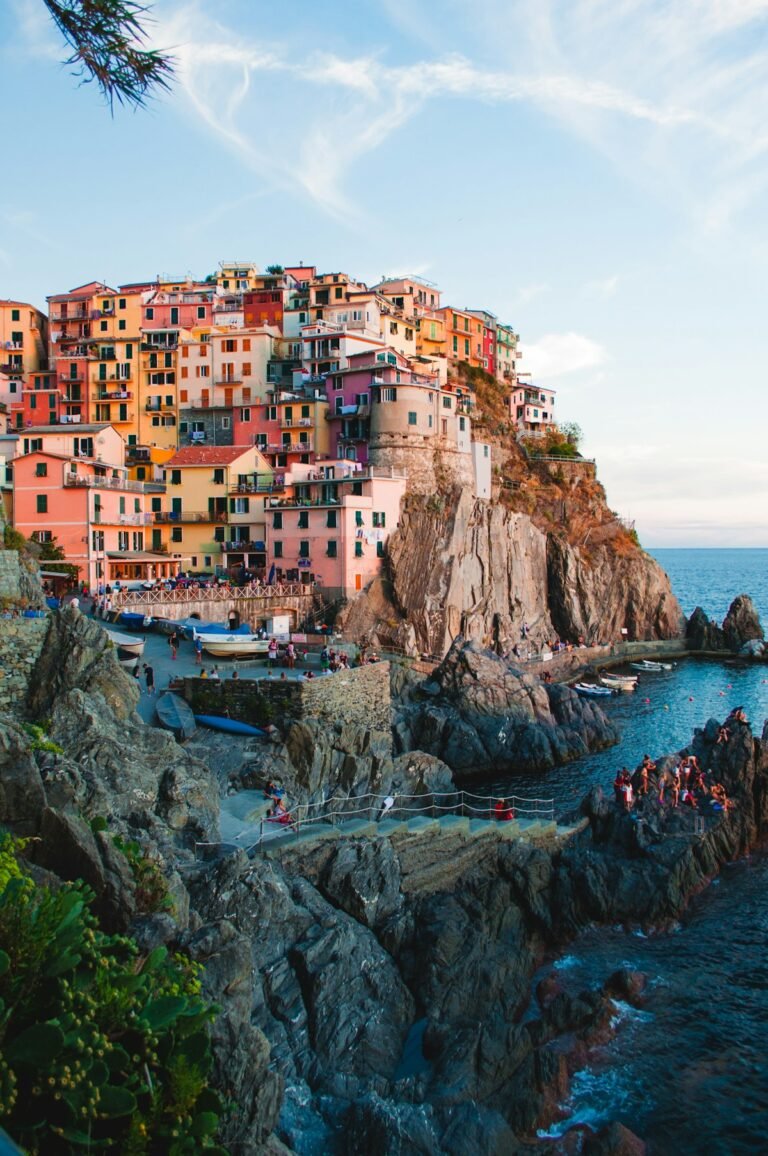
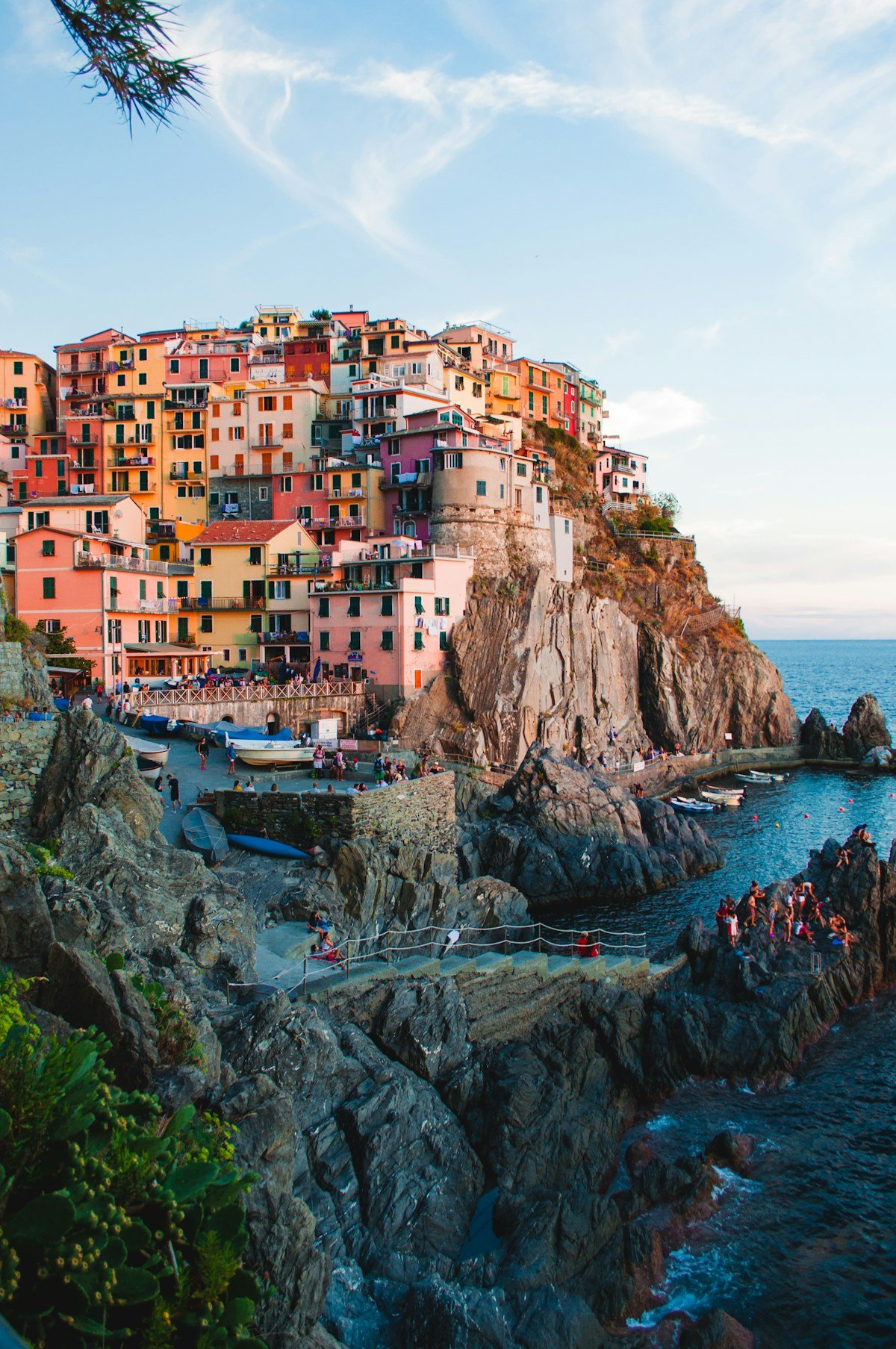
Popular beach resorts can be surprisingly expensive. A better option is to drive toward smaller coastal communities where visitors are fewer and accommodation is more affordable.
Look for quiet beaches, fishing villages, coastal trails, and local seafood markets. You may discover that the most memorable coastal experiences happen far away from the major resorts.
4. Visit Remote Natural Attractions
Nature is one of the best ways to enjoy a road trip on a budget. Mountains, forests, waterfalls, lakes, deserts, and viewpoints can provide unforgettable experiences without expensive entrance fees.
Research free or inexpensive parks and natural areas before your journey. Carry water, snacks, comfortable shoes, and basic emergency supplies so you do not have to buy everything at tourist prices.
5. Stay in Local Guesthouses
Instead of booking large hotels in popular destinations, consider guesthouses, family-run lodges, hostels, campsites, or simple local accommodation.
These options can reduce your overnight costs while also giving you an opportunity to interact with residents and learn more about the destination.
6. Pack Food for the Road
Food can become one of the biggest expenses on a long road trip. Packing simple meals and snacks can make a significant difference.
Bring items such as fruit, sandwiches, bottled water, nuts, bread, and other easy-to-carry foods. You can then spend your food budget on local dishes and memorable meals instead of expensive roadside convenience stores.
7. Look for Forgotten Historic Places
History is not limited to famous monuments. Old railway towns, abandoned settlements, historic trading routes, colonial-era buildings, ancient ruins, and traditional communities can make fascinating stops.
Many of these places receive few visitors, making them ideal for travelers who prefer quiet exploration and photography.
8. Plan Stops Around Free Activities
A budget road trip does not need a packed schedule of paid attractions. Hiking, swimming at permitted natural sites, visiting local markets, exploring public beaches, photographing landscapes, and walking through historic districts can all be inexpensive or free.
Build your itinerary around these activities and choose only a few paid experiences that are genuinely worth the money.
9. Travel Outside Peak Seasons
Timing can have a major impact on your budget. Traveling during quieter periods may mean lower accommodation prices, less traffic, and fewer crowds.
Before booking your trip, check local holidays, school vacations, major festivals, and peak tourism periods. A small change in your travel dates can sometimes produce substantial savings.
10. Create a Flexible Route
One of the advantages of road travel is flexibility. You do not necessarily need to plan every hour of the journey.
Have a general route and a list of places you would like to see, but leave room for unexpected discoveries. A local recommendation could lead you to a village, viewpoint, restaurant, market, or natural attraction that was never part of your original plan.
How to Keep Your Road Trip Cheap
- Compare fuel prices before setting out.
- Keep your vehicle properly maintained and tires correctly inflated.
- Travel with a small group and share fuel costs when appropriate.
- Book affordable accommodation outside major tourist centers.
- Carry reusable water bottles and basic snacks.
- Use free viewpoints, trails, beaches, and public attractions.
- Avoid unnecessary detours that dramatically increase fuel consumption.
- Keep an emergency fund for unexpected repairs or accommodation.
- Download maps and important travel information before entering areas with poor connectivity.
Safety Tips for Remote Road Trips
Remote travel requires more preparation than a conventional city break. Check road conditions before leaving, especially when traveling through mountainous, rural, or poorly maintained areas.
Carry a charged phone, power bank, first-aid supplies, drinking water, spare tire, basic tools, and emergency contacts. Let someone know your planned route when traveling through isolated areas.
It is also important to respect local communities and environmental rules. Avoid trespassing, leave natural areas clean, and follow local guidance when visiting remote villages or culturally important sites.
The Best Road Trips Are Not Always the Most Famous
You do not need a famous destination to have an unforgettable journey. Some of the best road-trip memories come from places that were never featured on a popular travel list.
A quiet sunset over an unfamiliar coastline, an unexpected conversation at a village market, a scenic mountain road, or a small roadside restaurant can become the highlight of your entire trip.
Final Thoughts
Budget road trips are about discovering more while spending less. By choosing lesser-known destinations, traveling outside peak periods, preparing your own food, staying locally, and focusing on free or inexpensive experiences, you can create an adventure without putting unnecessary pressure on your wallet.
The next time you plan a trip, do not only search for the places everyone else is visiting. Look at the roads between them. The overlooked towns, quiet landscapes, hidden beaches, and forgotten attractions along the way may become the places you remember most.
Want to make your trip unforgettable? You will be redirected to GetYourGuide for top-rated tours, excursions, and experiences. 🌍
Discover Tours & Activities →