The Connection Between Minimalism and Overland Travel
<article>
    <h1>The Connection Between Minimalism and Overland Travel</h1>

    <p><strong>Less stuff, more story.</strong> That’s the quiet philosophy tying minimalism and overland travel together. While one is a lifestyle and the other a way of exploring the world, both share a common mindset: stripping away the unnecessary to make room for what truly matters.</p>

    <h2>What is Minimalism in Everyday Life?</h2>
    <p>Minimalism isn’t about owning nothing—it’s about owning <em>only what adds value</em>. In daily life, this might mean decluttering your room, reducing digital distractions, or focusing on experiences rather than possessions.</p>

    <p>It’s a shift from “more is better” to “better is enough.” And once you adopt that mindset, it naturally extends beyond your home… straight into how you travel.</p>

    <h2>What is Overland Travel?</h2>
    <p>Overland travel is about moving across land—by bus, train, motorcycle, or even on foot—rather than flying. It’s slower, more immersive, and often unpredictable.</p>

    <p>Instead of jumping from one tourist hotspot to another, overland travelers experience the journey itself: roadside meals, unexpected conversations, long stretches of silence, and the raw rhythm of different cultures.</p>

    <h2>Where Minimalism Meets Overland Travel</h2>
    <p>At first glance, minimalism and overland travel may seem unrelated. But in reality, they complement each other perfectly.</p>

    <h3>1. Traveling Light Becomes Essential</h3>
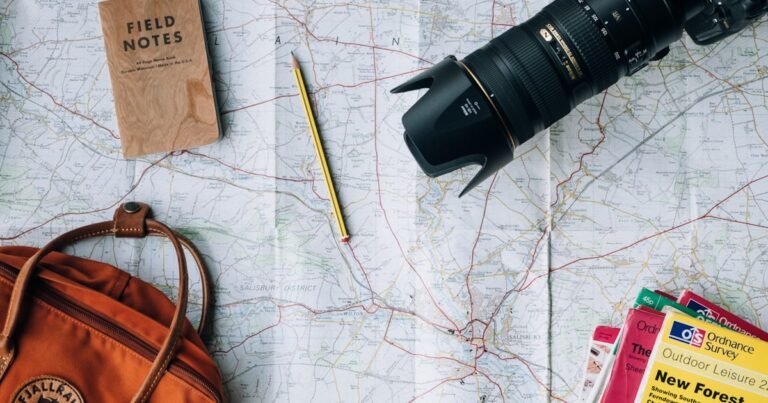
    <p>When you're constantly on the move, every extra kilogram becomes a burden. Minimalism teaches you to carry only what you need—and overland travel forces you to practice it.</p>

    <p>Suddenly, you realize you don’t need five pairs of shoes or a suitcase full of clothes. A few versatile items are enough. The result? More freedom, less stress.</p>

    <h3>2. Experiences Replace Possessions</h3>
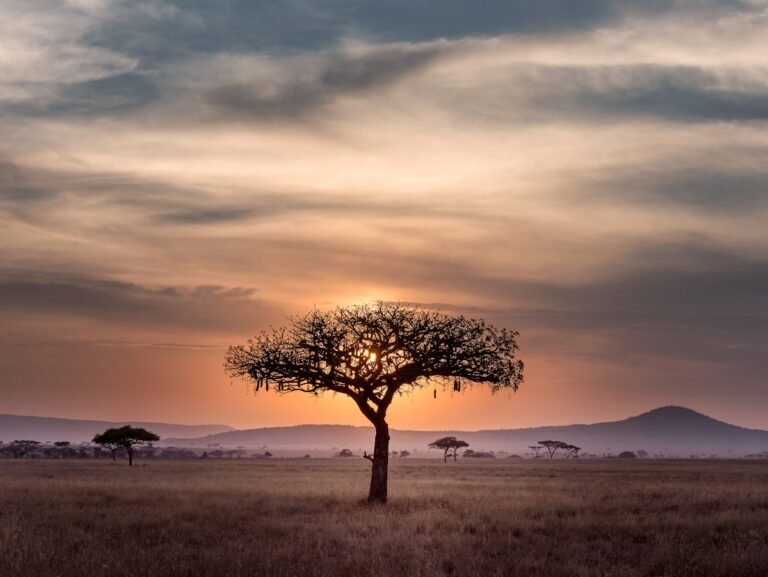
    <p>Minimalism shifts your focus from things to experiences. Overland travel amplifies this by offering countless moments you can’t buy: a sunset in a remote village, a shared meal with strangers, or a long road with no destination.</p>

    <p>These experiences become more valuable than anything you could pack in a bag.</p>

    <h3>3. Slower Travel, Deeper Living</h3>
    <p>Minimalism encourages intentional living—being present and mindful. Overland travel naturally slows you down, forcing you to live in the moment.</p>

    <p>No rushing. No constant checklists. Just you, the road, and whatever comes next.</p>

    <h3>4. Flexibility Over Control</h3>
    <p>The more you carry—physically and mentally—the harder it is to adapt. Minimalism removes that weight, making it easier to embrace uncertainty.</p>

    <p>Missed a bus? Plans changed? No problem. When you’re not tied down by excess, flexibility becomes your greatest strength.</p>

    <h2>How Minimalism Improves Overland Travel</h2>

    <h3>Reduced Stress</h3>
    <p>Less luggage means fewer things to worry about. No constant checking, no fear of losing items, no unnecessary complications.</p>

    <h3>Increased Mobility</h3>
    <p>Whether hopping on a crowded bus or walking long distances, moving becomes easier when you’re not weighed down.</p>

    <h3>Better Financial Control</h3>
    <p>Minimalism reduces unnecessary spending. Overland travel, often budget-friendly, becomes even more sustainable when you’re not constantly buying things you don’t need.</p>

    <h3>Stronger Human Connections</h3>
    <p>Without distractions from gadgets or material concerns, you become more open to meeting people and engaging with your surroundings.</p>

    <h2>The Mental Shift: Letting Go</h2>
    <p>One of the hardest parts of minimalism isn’t physical—it’s mental. Letting go of “just in case” items, comfort habits, and control can feel uncomfortable at first.</p>

    <p>But overland travel teaches you something powerful: most of what you think you need… you don’t.</p>

    <p>You adapt. You improvise. You grow.</p>

    <h2>Practical Tips for Minimalist Overland Travel</h2>

    <ul>
        <li><strong>Pack multi-purpose items:</strong> Clothes that can be layered or worn in different situations.</li>
        <li><strong>Limit duplicates:</strong> One of each essential item is usually enough.</li>
        <li><strong>Go digital:</strong> Replace books, tickets, and documents with digital versions.</li>
        <li><strong>Adopt a “one-in, one-out” rule:</strong> If you buy something, consider removing something else.</li>
        <li><strong>Focus on essentials:</strong> Prioritize items that truly support your journey.</li>
    </ul>

    <h2>Why This Lifestyle is Growing</h2>
    <p>In a world filled with noise, speed, and excess, more people are seeking simplicity. Minimalism offers clarity. Overland travel offers authenticity.</p>

    <p>Together, they create a lifestyle that feels real—grounded in experience rather than consumption.</p>

    <h2>Final Thoughts</h2>
    <p>Minimalism and overland travel aren’t just trends—they’re a response to modern life. They remind us that happiness doesn’t come from having more, but from needing less.</p>

    <p>When you carry less, you notice more. When you own less, you experience more. And when you slow down, you finally understand what it means to truly travel.</p>

    <p><strong>At the end of the day, the road doesn’t care how much you carry—it only rewards how deeply you experience it.</strong></p>

</article>
Want to make your trip unforgettable? You will be redirected to GetYourGuide for top-rated tours, excursions, and experiences. 🌍
Discover Tours & Activities →Looking for accommodations? You will be redirected to Booking.com to check availability and prices. 🏨
Check Hotels & Prices →