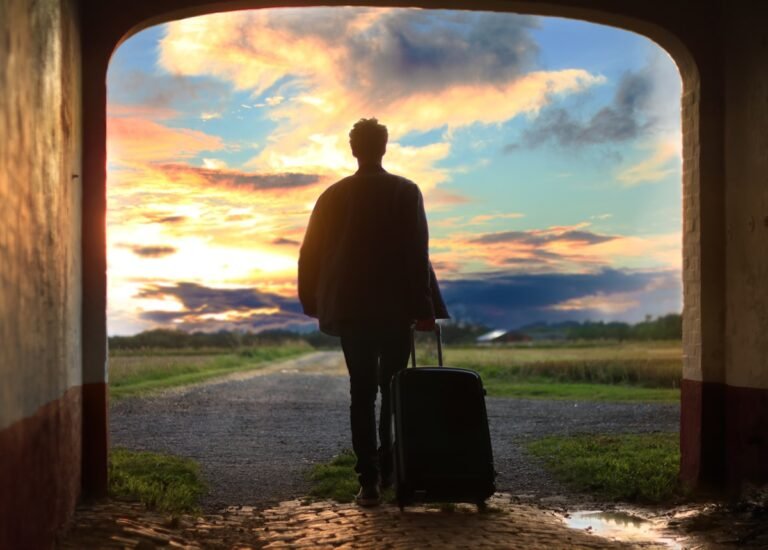

Travel as an Escape vs Travel as Growth
Travel changes people. But not always in the way social media promises. Some people travel to run away from stress, heartbreak, pressure, or boredom. Others travel to challenge themselves, learn, and grow into a different version of who they are.
Looking for accommodations? You will be redirected to Booking.com to check availability and prices. 🏨
Check Hotels & Prices →The truth is that both reasons often exist at the same time. A person may book a one-way flight after burnout, then unexpectedly discover confidence, independence, and clarity along the journey.
Travel can either become a temporary distraction from life or a tool that reshapes it completely. The difference usually depends on intention, awareness, and what happens after the trip ends.
Why People Use Travel as an Escape
Modern life can feel repetitive and emotionally heavy. Endless routines, financial pressure, relationship struggles, and digital overload push many people toward the idea of disappearing somewhere new.
Travel offers something powerful: distance. A new city creates temporary freedom from familiar responsibilities, memories, and expectations. Even short trips can feel like hitting a reset button for the mind.
That’s why people often travel after:
- Breakups
- Job burnout
- Major life changes
- Personal failures
- Emotional exhaustion
- Feeling stuck in routine
In these moments, travel feels less like tourism and more like survival.
The Problem With Escaping Through Travel
A new environment can distract you from problems, but it cannot permanently erase them. Emotional struggles usually travel with you.
Many long-term travelers eventually realize that changing countries does not automatically change identity. Loneliness can still exist on tropical beaches. Anxiety can still exist inside beautiful hotels. Confusion can still follow someone across borders.
Travel becomes unhealthy when movement replaces self-reflection. Some people become addicted to constantly leaving because staying still forces them to face uncomfortable truths.
“Wherever you go, you take yourself with you.”
Without emotional growth, travel can become avoidance disguised as freedom.
When Travel Becomes Personal Growth
Growth-oriented travel feels different. Instead of running away from life, the traveler becomes more engaged with it.
Difficult situations abroad force people to adapt quickly:
- Navigating unfamiliar cultures
- Solving problems independently
- Managing uncertainty
- Communicating across language barriers
- Learning patience and flexibility
These experiences slowly reshape confidence and perspective. Small challenges that once felt overwhelming become manageable.
Travel growth rarely happens during perfect moments. It usually appears during missed buses, uncomfortable conversations, culture shock, unexpected setbacks, and moments of isolation.
Growth Changes the Way You See Home
One of the biggest signs of meaningful travel is returning home with a different mindset.
Growth-focused travelers often notice:
- They need fewer possessions
- They value experiences more than status
- They become more adaptable
- They judge people less quickly
- They become more aware of how different cultures live
Travel can destroy the illusion that there is only one “correct” way to live. That realization changes people permanently.
The Fine Line Between Escape and Growth
The line between escaping and growing is often extremely thin.
Someone may start traveling to avoid pain but eventually discover healing. Another person may claim they are “finding themselves” while actually avoiding responsibility.
Intentions evolve over time. What matters most is whether travel increases self-awareness or simply delays reality.
Healthy travel asks difficult questions:
- What am I learning from this experience?
- Am I becoming emotionally stronger?
- Am I facing problems honestly?
- Will these lessons improve my life long-term?
If travel only creates temporary relief, the same dissatisfaction often returns once the excitement fades.
Social Media Complicates the Idea of Travel
Online travel culture often romanticizes endless movement. Beautiful photos make it seem like constant travel automatically creates happiness and freedom.
But social media rarely shows:
- Burnout from constant movement
- Loneliness during long trips
- Financial stress
- Identity confusion
- The emotional difficulty of returning home
Many travelers quietly struggle while still posting perfect sunsets online.
Real growth through travel is usually less glamorous than the internet suggests. It is slower, quieter, and deeply personal.
Can Travel Be Both?
Absolutely.
Sometimes people need distance before they can heal or think clearly. Leaving a stressful environment can create the mental space necessary for growth.
Travel becomes valuable when escape turns into reflection instead of permanent avoidance.
A trip may begin as an attempt to run away from pain, but meaningful experiences along the road can still create transformation.
Final Thoughts
Travel alone does not magically solve problems. Airports, beaches, mountains, and foreign cities cannot replace emotional work.
But travel can expose people to experiences that challenge their beliefs, strengthen resilience, and expand their understanding of life.
The most powerful journeys are not always the farthest ones. They are the trips that change how someone thinks, feels, and lives after returning home.
Escaping through travel may provide temporary relief. Growing through travel can permanently reshape a person.
Want to make your trip unforgettable? You will be redirected to GetYourGuide for top-rated tours, excursions, and experiences. 🌍
Discover Tours & Activities →