
What Airports Reveal About Human Behavior
Airports are some of the strangest places on earth. Thousands of people from different countries, cultures, languages, and lifestyles move through the same building every single day. Yet despite the differences, human behavior inside airports becomes surprisingly predictable.
Looking for accommodations? You will be redirected to Booking.com to check availability and prices. 🏨
Check Hotels & Prices →Something changes the moment people enter an airport. Normal routines disappear. Time feels different. Emotions become louder. People rush, panic, overspend, overthink, sleep in uncomfortable positions, and suddenly become deeply aware of things they normally ignore.
Airports are not just transportation hubs. They are psychological theaters where stress, hope, excitement, fear, loneliness, impatience, and curiosity all appear at once.
People Become Extremely Time Conscious
In everyday life, many people casually arrive late to meetings, restaurants, or social events. But airports completely change that behavior.
A person who normally ignores time can suddenly become obsessed with it inside an airport. Travelers constantly check departure boards, watches, phones, gate numbers, and boarding times. Missing a flight creates a level of anxiety that forces people into hyper-awareness.
Airports reveal that humans are capable of extreme discipline when consequences feel immediate.
Humans Naturally Follow Crowds
One person starts standing in a line, and suddenly twenty others join without even confirming what the line is for. Airports constantly demonstrate herd behavior in real time.
Travelers often copy the actions of strangers because uncertainty creates discomfort. If people see a crowd moving quickly toward a gate, they instinctively move too. Even experienced travelers sometimes follow the crowd before checking information themselves.
Airports expose how much humans rely on social proof to feel safe.
Stress Changes Personality Fast
Calm people become impatient. Organized people become forgetful. Friendly people become quiet. Airports compress stress into a short period of time, and behavior changes quickly because of it.
Delayed flights, security checks, long queues, heavy luggage, language barriers, and fear of missing connections create emotional pressure. Under stress, humans reveal coping mechanisms they may not even notice in normal life.
Some people become more controlling. Others become more generous. Some shut down completely. Airports magnify emotional patterns.
People Crave Small Comforts During Uncertainty
Airports are proof that humans seek comfort when surrounded by uncertainty. Suddenly, expensive coffee feels necessary. Charging your phone feels emotionally important. Finding your seat near the gate feels like winning a small battle.
Travelers often buy snacks they normally would not buy, spend money more freely, and attach emotional value to tiny conveniences.
A comfortable chair, working Wi-Fi, or a quiet corner can completely change someone’s mood. Airports reveal how strongly humans depend on small forms of stability.
Goodbyes and Reunions Become Pure Emotion
Few places display raw human emotion as openly as airport terminals. You can watch tears, excitement, nervousness, hugs, heartbreak, and relief all within minutes.
Airports strip away routine social masks. When someone is leaving for months or returning after years, emotions become impossible to hide.
A crowded airport quietly reminds us that human connection matters more than most daily distractions.
Travel Makes People More Open-Minded
Airports force interaction with difference. Different languages, foods, clothing styles, accents, customs, and behaviors exist side by side.
Even people who rarely leave their hometown suddenly become observers of the wider world. Exposure changes perspective. Travelers often become more patient, adaptable, and curious simply because airports constantly introduce unfamiliar situations.
Airports reveal that humans adapt faster than they think when placed in new environments.
Everyone Wants a Sense of Control
One interesting thing about airports is how people try to regain control in small ways. They organize passports repeatedly, refresh flight apps every few minutes, arrive excessively early, or carefully plan where to sit.
Flying places most control in the hands of systems, schedules, weather, and airline staff. Humans naturally respond by controlling whatever details they still can.
Airports reveal that control is deeply connected to emotional comfort.
Strangers Quietly Help Each Other
Despite the stress, airports also show surprising kindness. People help lift bags, share charging ports, explain boarding procedures, comfort nervous travelers, and assist confused tourists.
In temporary environments where everyone feels slightly vulnerable, empathy becomes more visible.
Airports reveal that humans are often more cooperative than the internet makes it seem.
The Airport Version of People Is Different
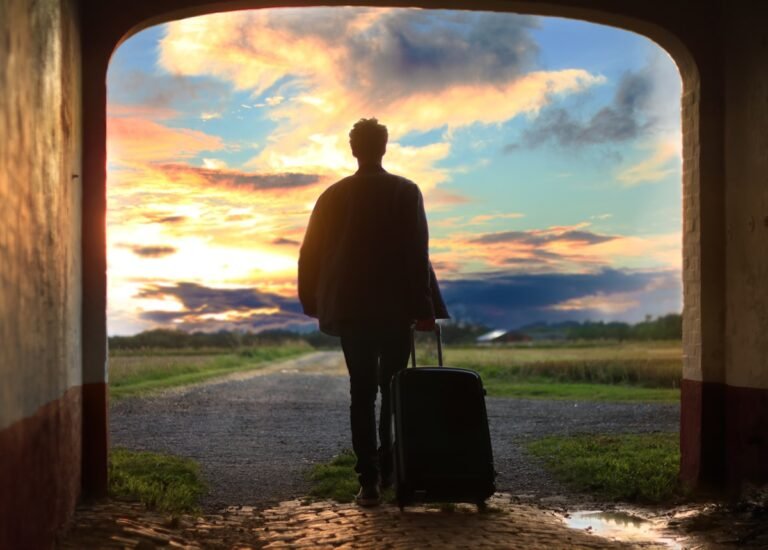
There is something almost symbolic about airports. They exist between destinations, between identities, and sometimes between life stages.
Students leave home for the first time. Workers chase opportunities abroad. Families reunite. Relationships end. New journeys begin.
Inside airports, people are not fully where they came from or where they are going. That temporary state changes behavior in fascinating ways.
Final Thoughts
Airports are more than places where planes take off and land. They are compressed versions of human life itself — full of uncertainty, movement, emotion, ambition, fear, hope, and connection.
If you observe closely, airports reveal how humans behave when time matters, routines disappear, and emotions rise to the surface.
And maybe that is why airports feel unforgettable. For a few hours, people become more honest versions of themselves.
Want to make your trip unforgettable? You will be redirected to GetYourGuide for top-rated tours, excursions, and experiences. 🌍
Discover Tours & Activities →